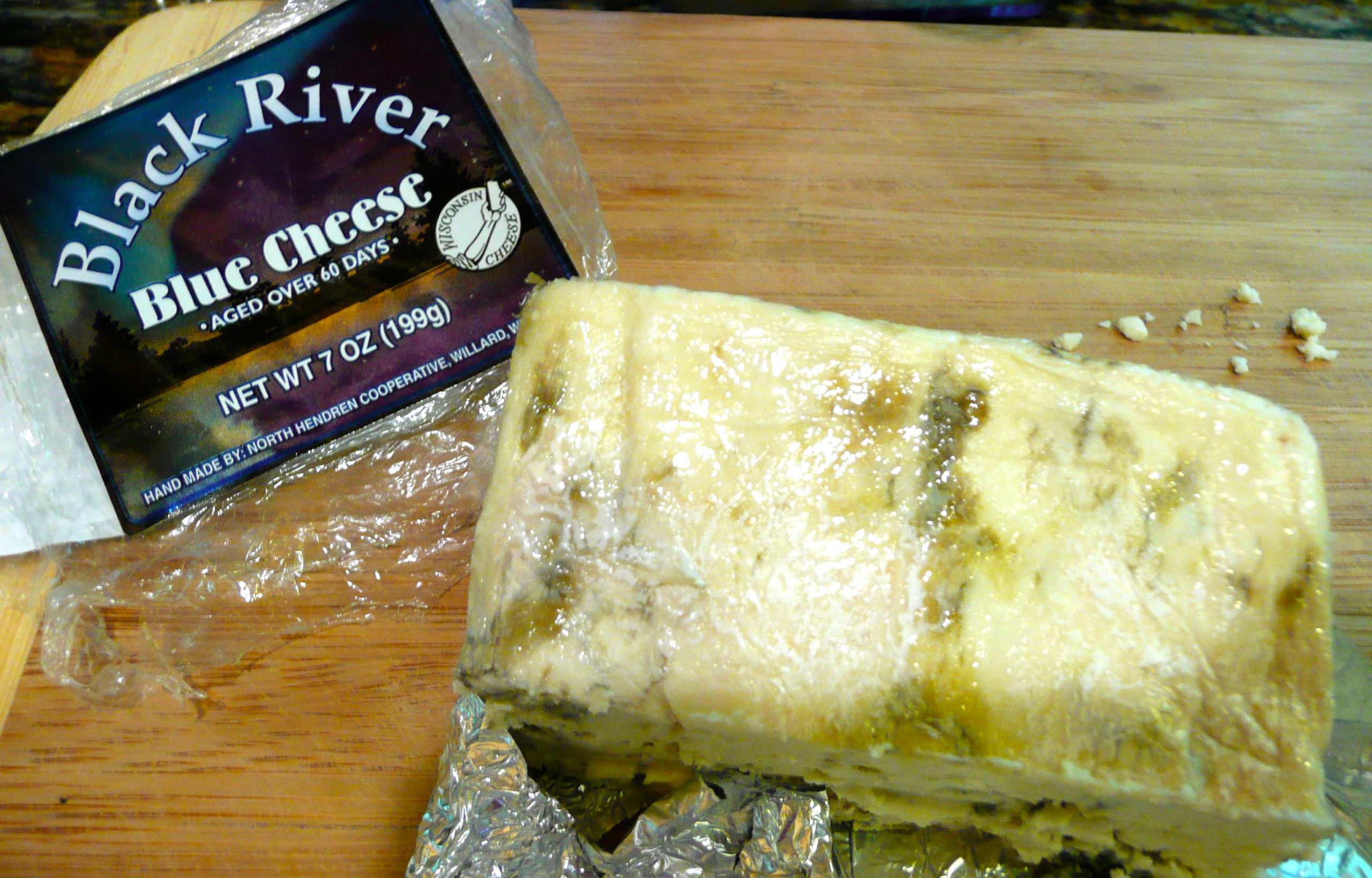
I used this recipe on homemade ravioli that I made recently and it was delicious. We got the cheese at a stop along the way in Wisconsin coming home from Chicago. Wisconsin truly does have some great cheese.
Black River Blue Cheese
Ingredients
1 tablespoon butter
1 tablespoon flour
1/4 teaspoon paprika
1/2 cup vegetable broth
1/4 cup half-and-half
1/4 cup packed soft Blue Cheese
2 tablespoons grated Parmesan
1/8 teaspoon ground red pepper (I didn’t use this in my recipe but the original recipe calls for it)
Directions
In a 1-quart saucepan, melt the butter over medium high heat
Add the flour and paprika and whisk it together until it’s absorbed
Stir in the broth and the half-and-half
Cook until the mixture comes to a boil
Add the cheeses and stir until the cheese is melted
I did not allow the Blue Cheese to melt all the way but liked it with small chunks of cheese.
Blue Cheese Sauce
Very very delicious.
(This recipe is from the book 1,000 Vegetarian Recipes. I use this book a lot in my cooking and recommend it highly.)
I thought I’d make ravioli from scratch — after all, if my son can do it I should be able to follow suit.
Ravoli with Ricotta and Spinach
Ingredients
14 ounces fresh spinach
1/4 cup ricotta cheese
1 egg
1/2 cup parmesan cheese, grated
Pinch of nutmeg
Salt & pepper to taste
For the pasta
1 1/2 cups flour
3 eggs
Directions
1. Â Wash the spinach several times to make sure it’s clean
2. Â Place approximately 1/4 cup of water in a saucepan and add the spinach to it. Cover the saucepan and cook the spinach until tender.
3. Â Drain the spinach and squeeze out as much of the water as you can
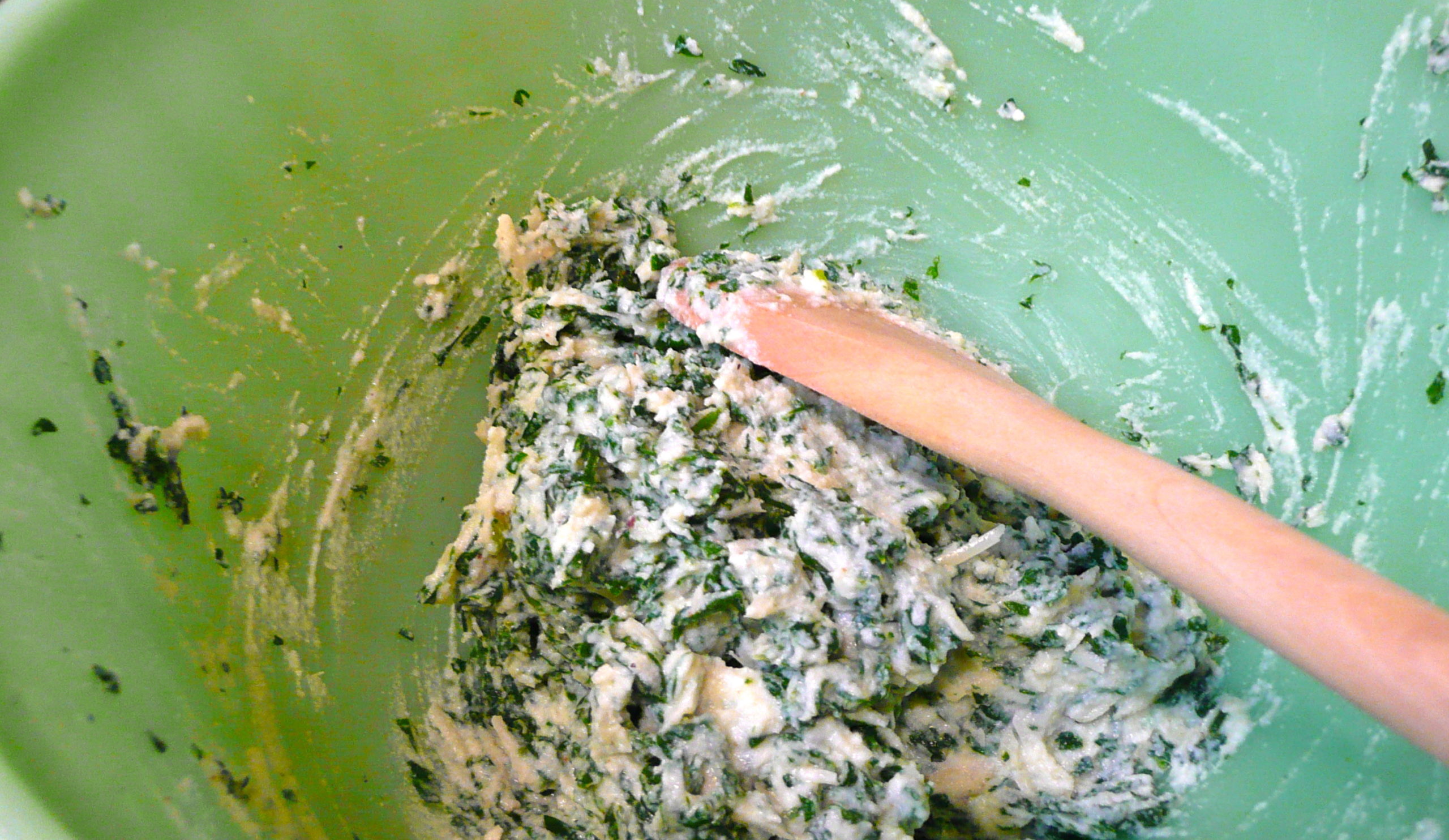
4. Â Chop finely and transfer the spinach to a medium sized bowl
Spinach
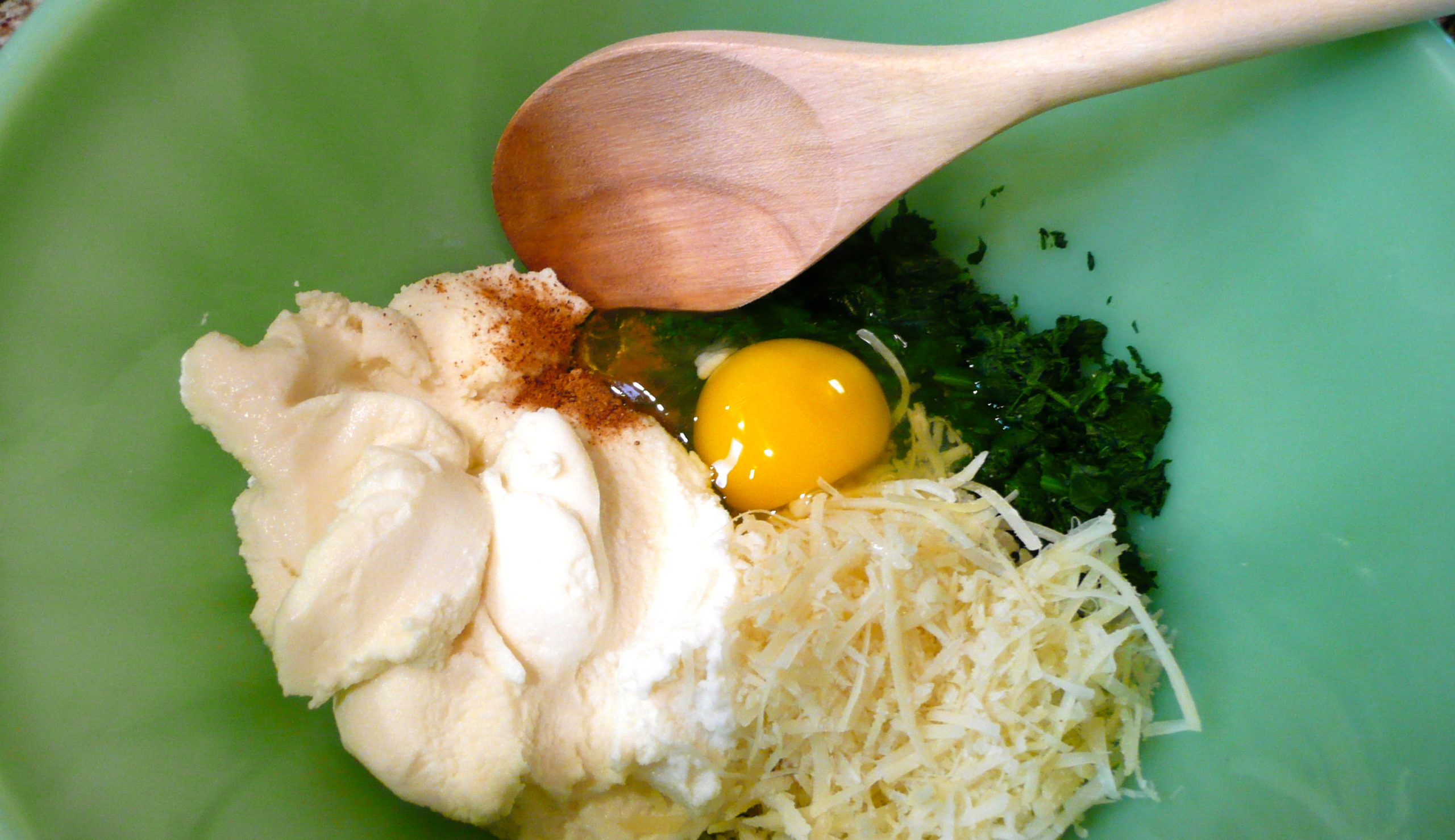
5. Â Combine the chopped spinach with the ricotta, egg, Parmesan cheese and nutmeg then season with salt and pepper. Cover and set aside.
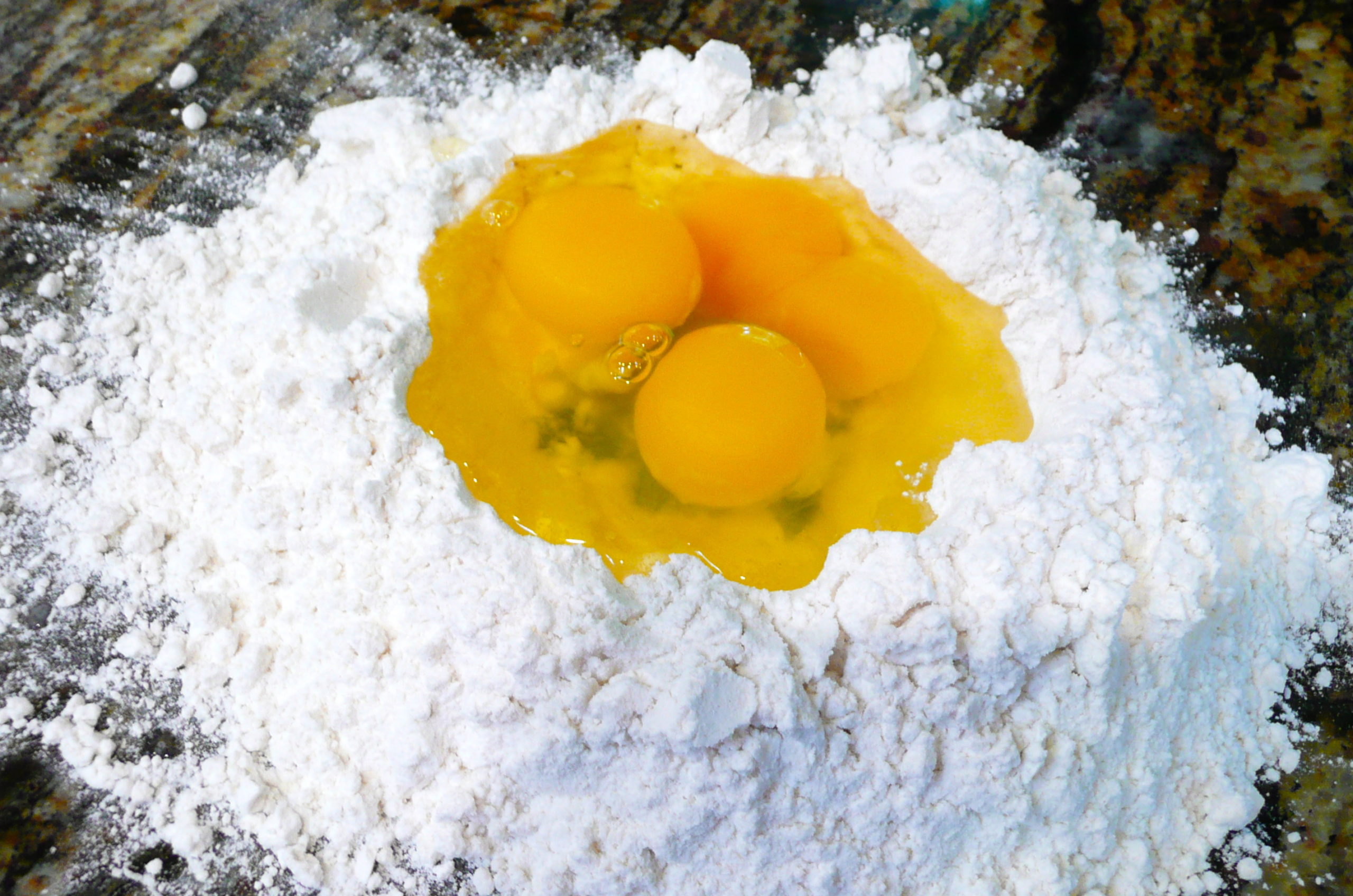
6. Â To make the pasta, place the flour in the center of a clean smooth work surface. Make a well in the middle. Break the eggs into the well and add a pinch of salt.
7. Â Start beating the eggs with a fork gradually drawing the flour from the inside walls of the well. As the the paste thickens, continue mixing with your hands. (Be careful or the eggs will spill all over the place.)
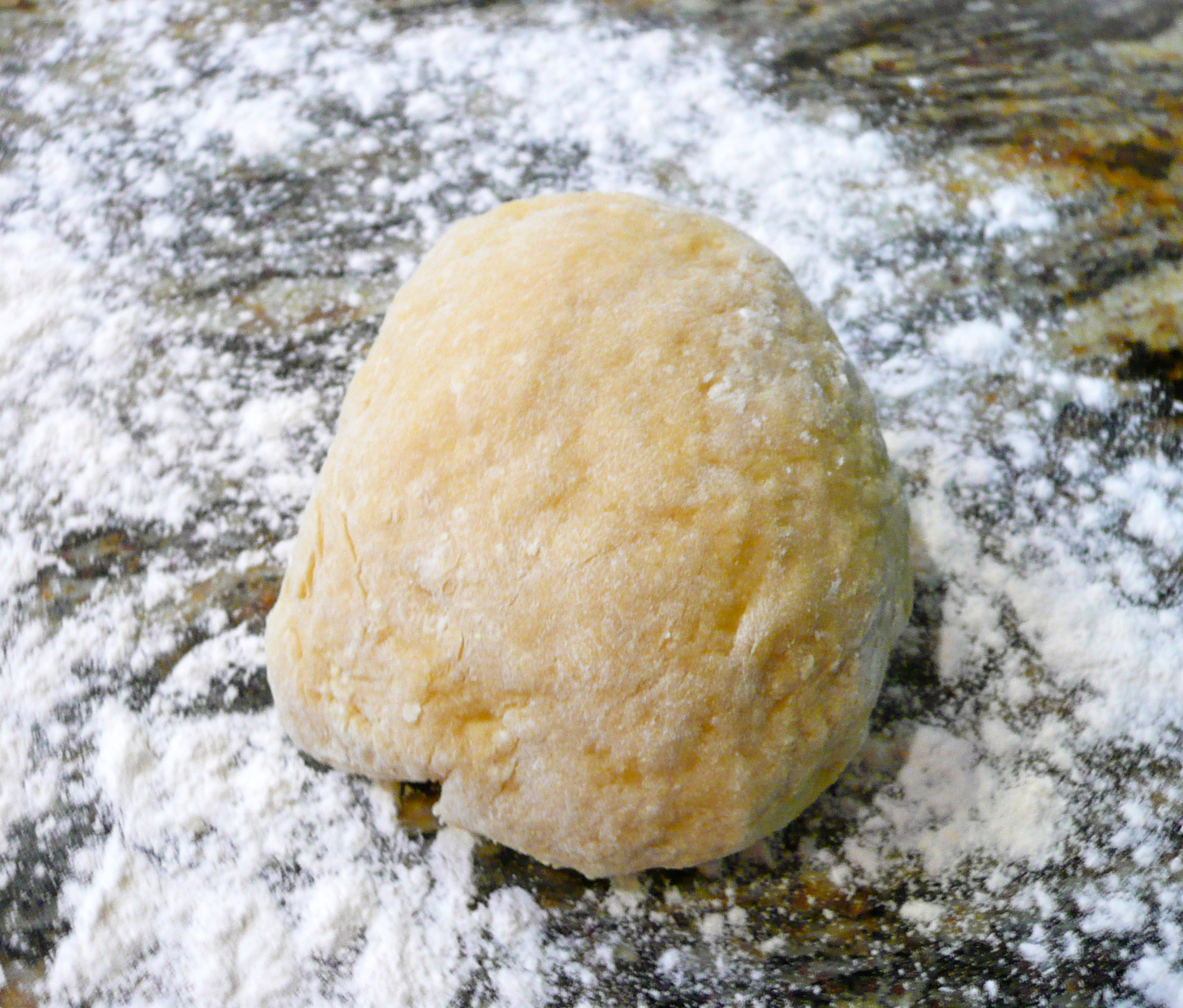
8. Incorporate as much flour as possible until the mixture forms a mass. It will be slightly lumpy. If it sticks to your hand, add a little more flour. Set the dough aside and clean the work surface making sure it’s dry so you can work on it again.
Dough for Ravioli Pasta
9. Lightly flour the dry work surface. Knead the dough for about 10 minutes or until the dough is smooth and elastic.
10. Divide the dough in half. Flour a rolling pin and the work surface. Pat one of the dough halves into a disk and begin rolling it out into a flat circle. It should be rolled to about 1/8 of an inch. Do the same with the second half of the dough making it the same size.
11. Then, using a fluted pastry cutter, make round or square ravioli pieces. Add a small teaspoon of filing to each of the pieces. Cover with another piece of the same sized dough and press gently to expel any air pockets. (Note: if they don’t stick together, use a small bit of water to get them to stick together.)
12. Place the ravioli on a lightly floured surface and allow it to dry for at least 30 minutes. Turn the ravioli and let the other side dry.
Uncooked Homemade Ravioli
Bring a large pot of salted water to boiling. Add the ravioli to the boiling water. Stir gently to prevent them from sticking. They will be cooked in about 4-5 minutes. Note: Make sure the water boils again before you start the counting process or you will get “almost” cooked ravioli.
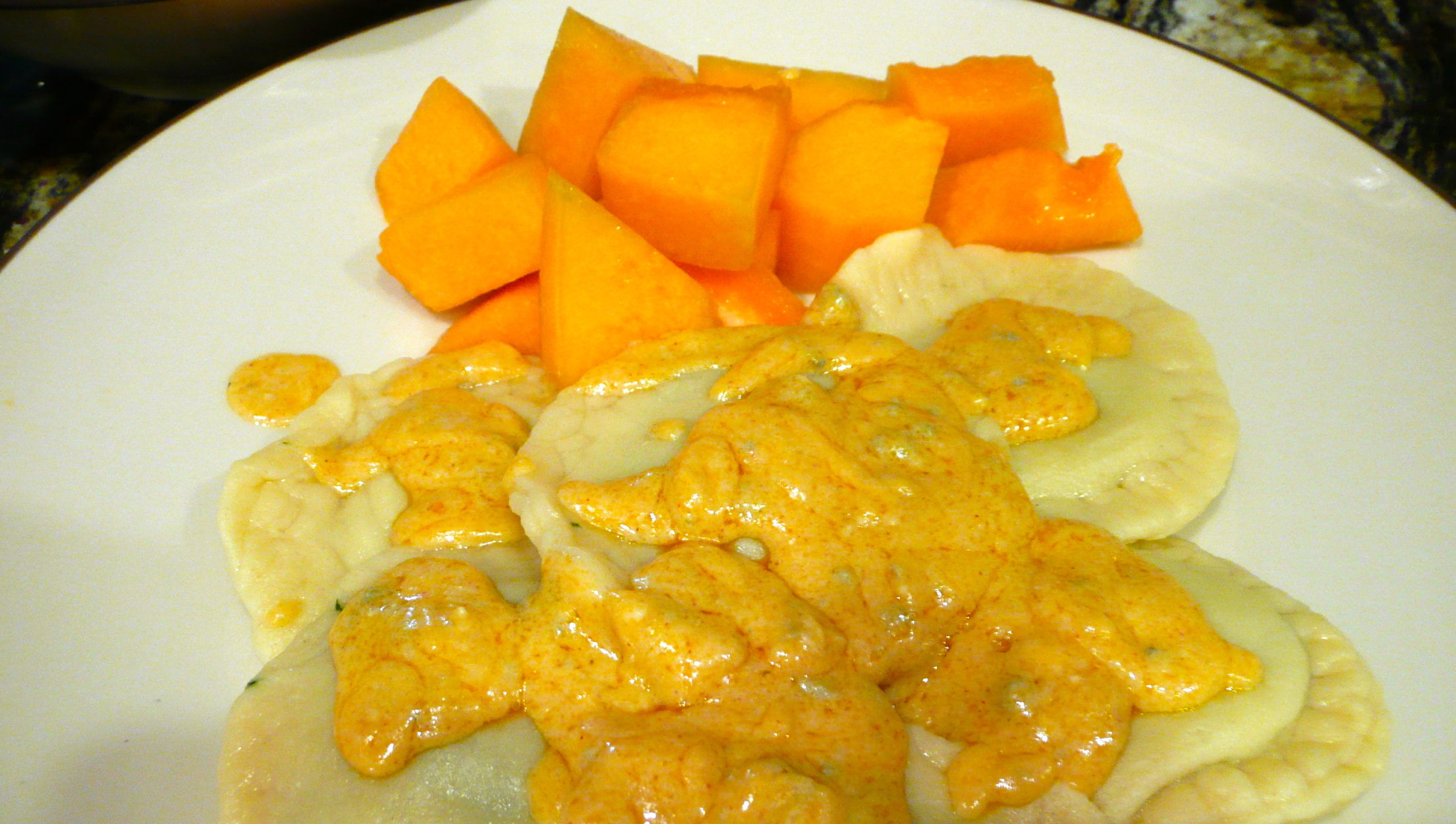
Drain the ravioli and serve in individual plates with your favorite sauce. I used a Blue Cheese sauce. The sauce was a little thick because I didn’t allow the cheese to melt all the way so I could have that added flavor.
Homemade Ravioli with Bleu Cheese Sauce
Enjoy!
Helpful hints:
Before taking all the ravioli out of the water and assuming they’re cooked, take ONE out and taste it.
 Although my dough looked pretty thin, I could have rolled it a little bit longer to make it thinner.
Use eggs that are room temperature
The dough in this recipe makes about 13-15 ravioli. There was plenty of filling left to have the dough recipe tripled.
(The original recipe was found in the book called Vegetarian by Barnes & Noble. I made a few changes to that recipe.)
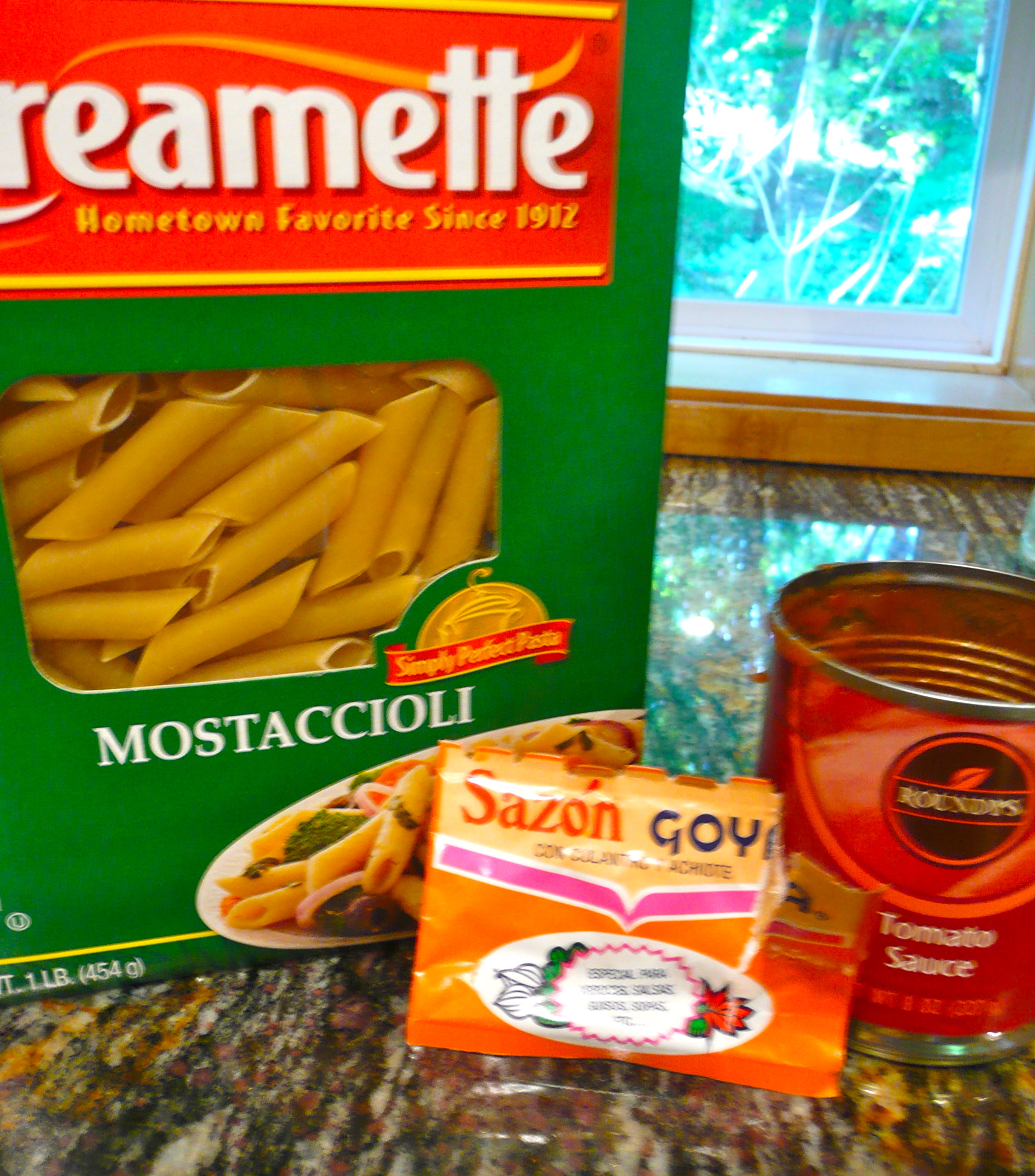
This dish is easy to make. My mother normally makes it with chicken wings but I decided to use the leftover chicken thighs I had in the freezer. I thawed the chicken in cold water in the morning and by 4:00 they were ready to be cooked.
Ingredients
6 chicken thighs (skinless or remove the skin)
1/4 – 1/2 can of tomato sauce
1 package Sazon
4 tablespoons Goya Recaito (see below)
Approximately 1/2 cup of water
1 box of mostaccioli (12 or 16 oz)
Directions
On medium heat in a large pot, add the tomato sauce, sazon and recaito. Stir well.
If the chicken is not skinless, remove the skin from most of the chicken (the less skin, the less fat). If you use small drumsticks or chicken wings, I wouldn’t bother removing the skin.
Add the chicken to the pot. Make sure during the first half hour you stir all of the ingredients so that the chicken does not stick to the bottom of the pot.
Add 1/2 cup water to the mixture and continue stirring occasionally.
Allow the chicken to cook all the way through — about 45 minutes.
In a separate pot, cook the mostaccioli according to the package instructions.
When the mostaccioli is cooked, drain it and then cool it under cold water so it does not stick.
Add the mostaccioli to the chicken mixture slowly and stir until all is mixed together.
Puerto Rican Mostaccioli
Note: Sazon and Recaito (or Sofrito) can be purchased at almost any store that has a Spanish section. If you are not able to find it, you can make sofrito from scratch and use that instead. I use the two interchangeably. Click here for the sofrito recipe.
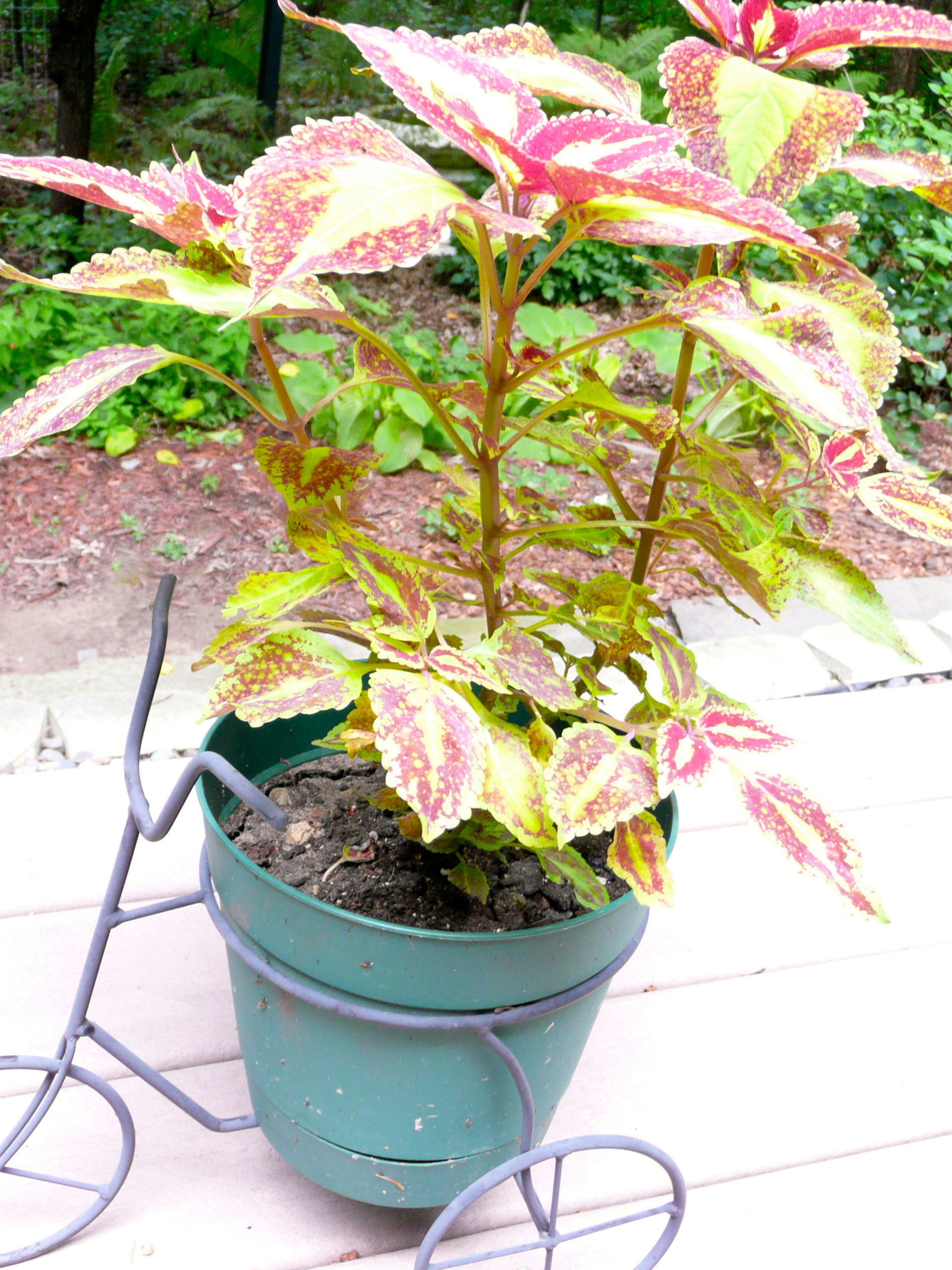
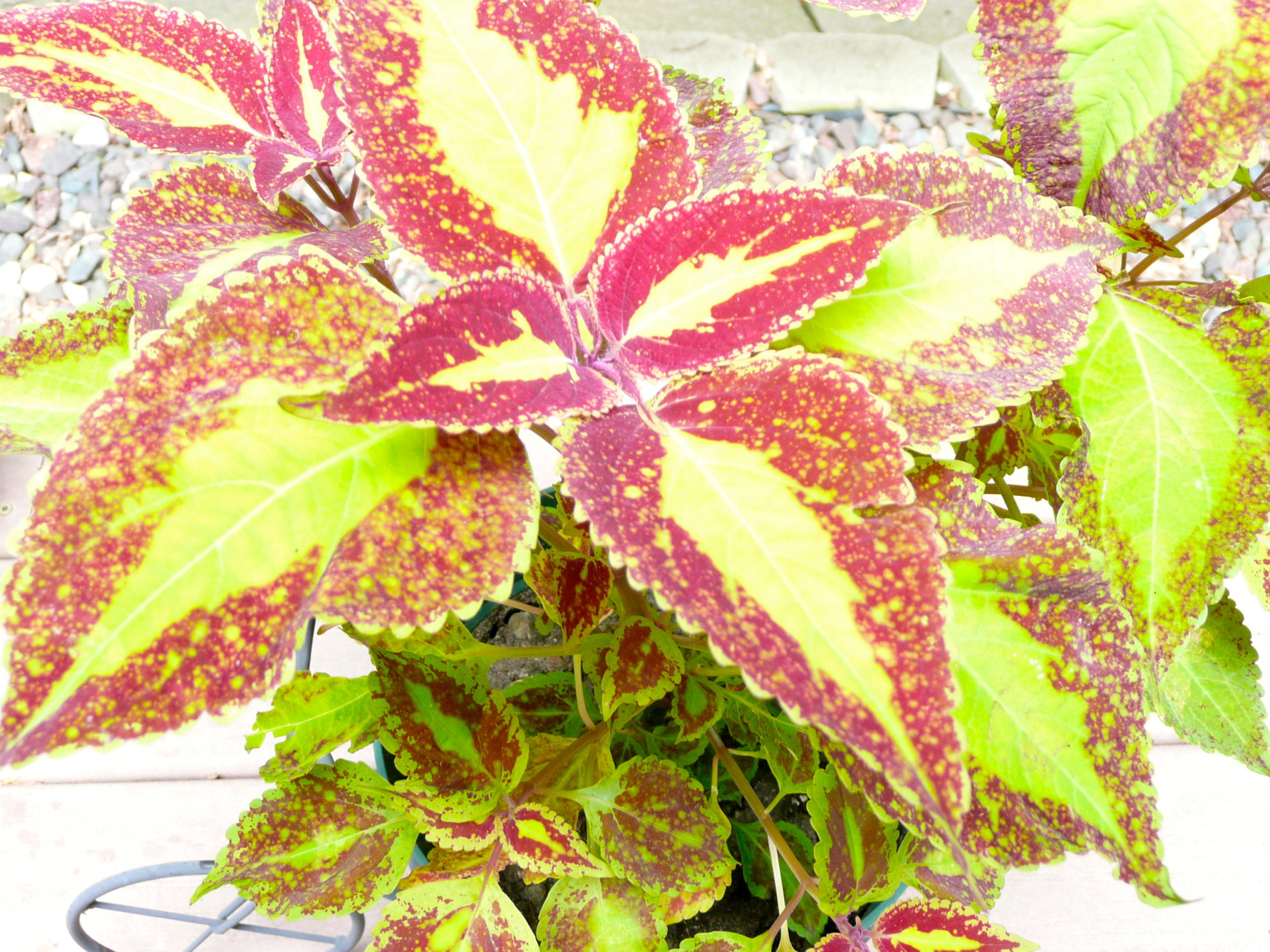
My coleus plants have been doing really well on our shaded back deck.
Coleus PlantColeus Plant
In spite of all the rain we get in Minnesota — 2 inches at a time sometimes — the coleus has proven to be a great plant. And, it doesn’t appear to be deer friendly. Yes! I wish it were a perennial instead of an annual though but I’ll settle for what I have — a plant that likes rain and shade. A good plant for Minnesota weather.
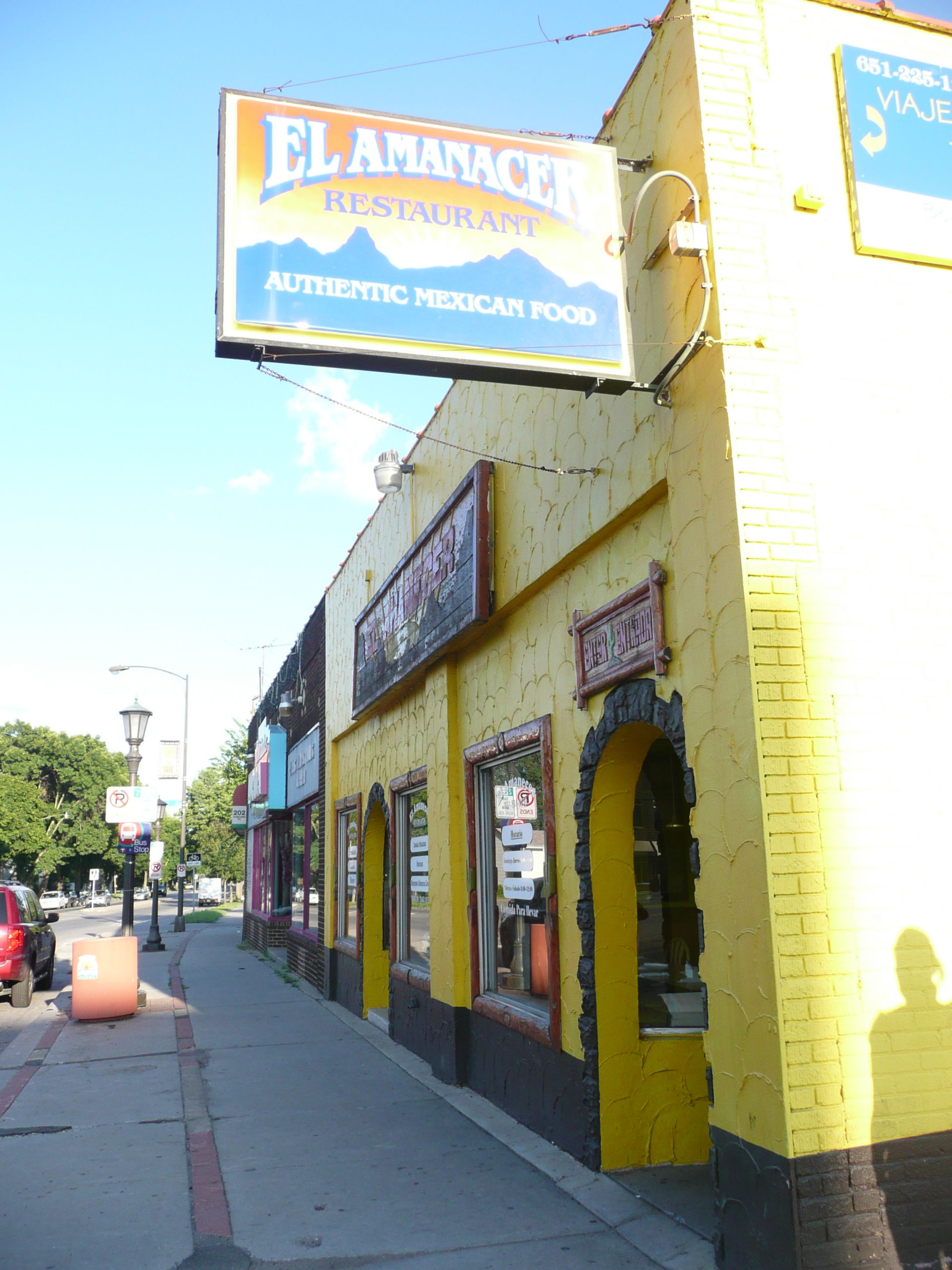
The El Amanacer restaurant in St Paul doesn’t look like much from the outside but the food is really delicious. It’s a good 20-25 minute drive for us to get to it but the sacrifice is worth it.
El Amanacer
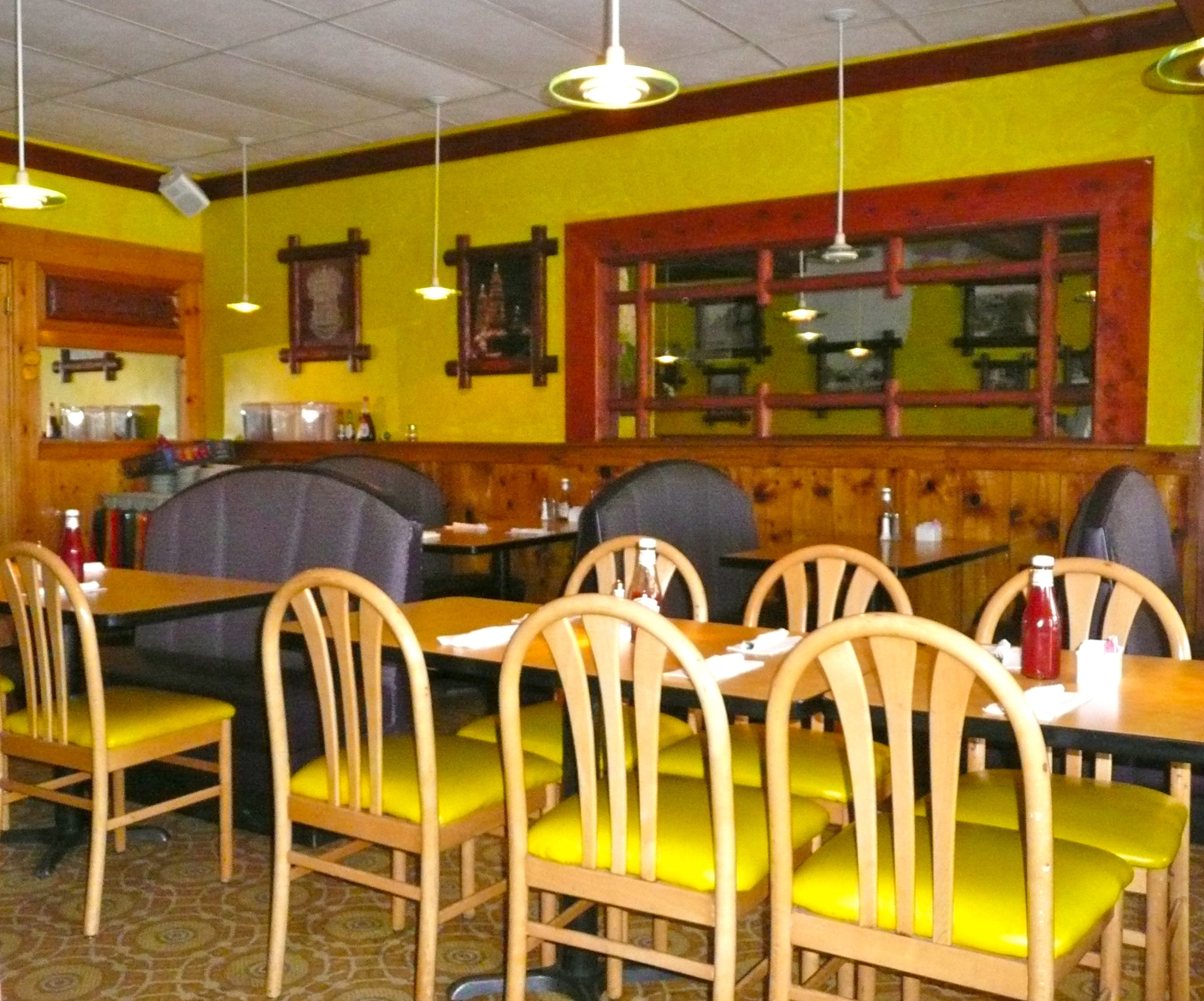
The inside of the restaurant has both booth and table seating. Murals on the wall give the restaurant a very authentic feel.
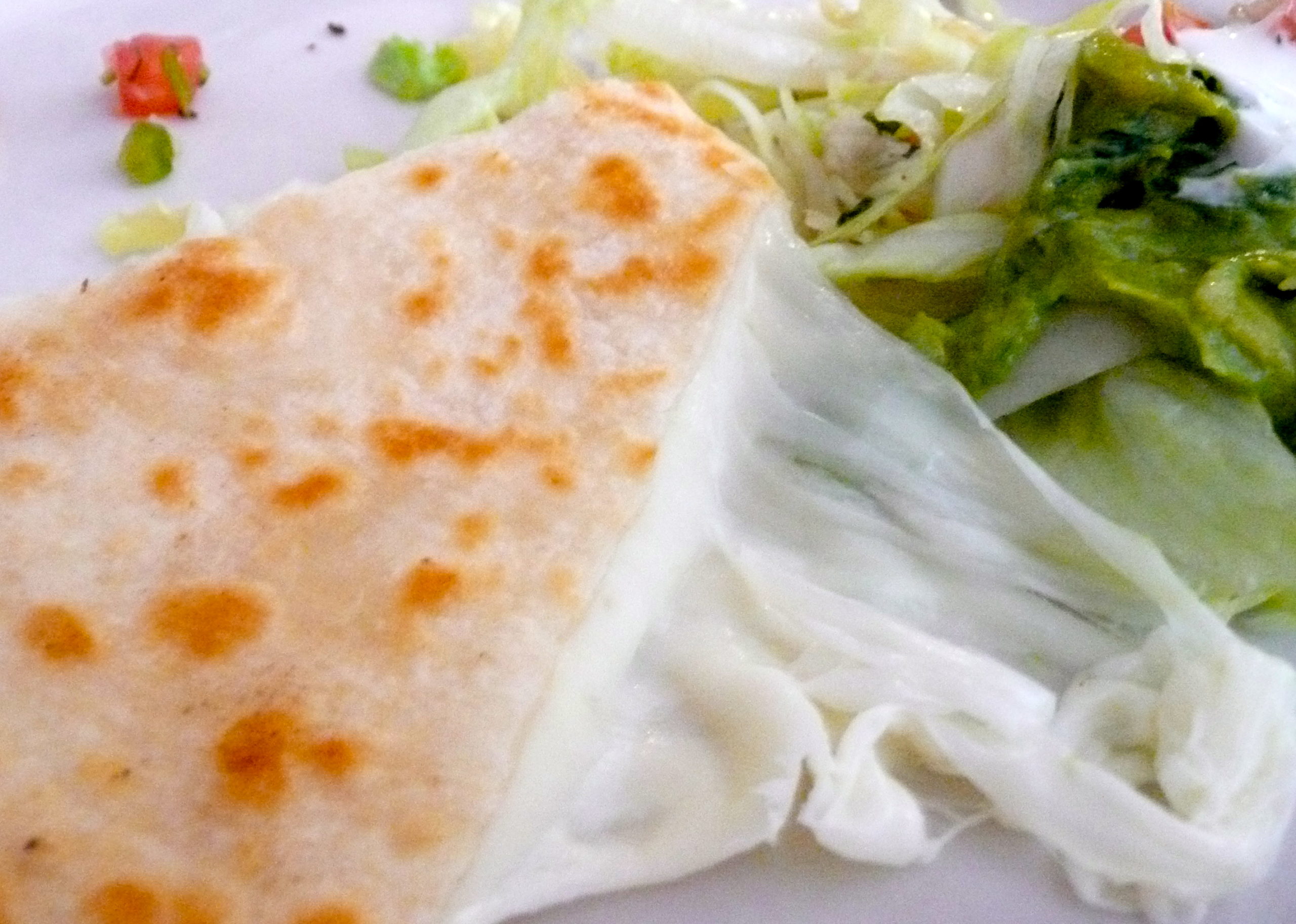
We had a cheese quesadilla as an appetizer.
Cheese Quesadilla
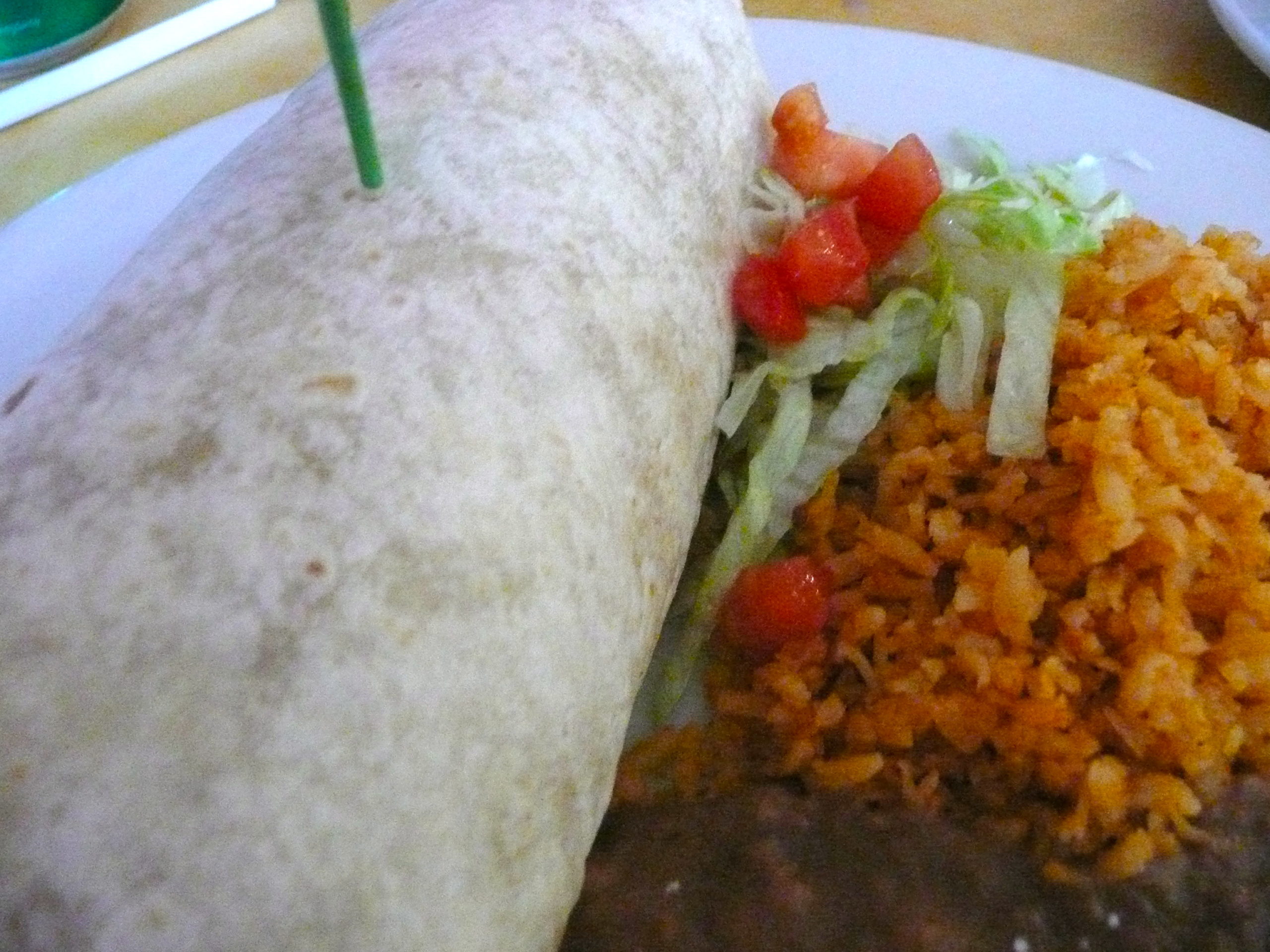
I had the burrito which was huge and came with rice and beans. Unfortunately they did mess up my order by giving me the wrong kind of meat but it tasted good anyway.
Burrito with Rice and Beans
El Amanecer Restaurant is located at 194 Concord St in St Paul, Minnesota. A good place to eat.
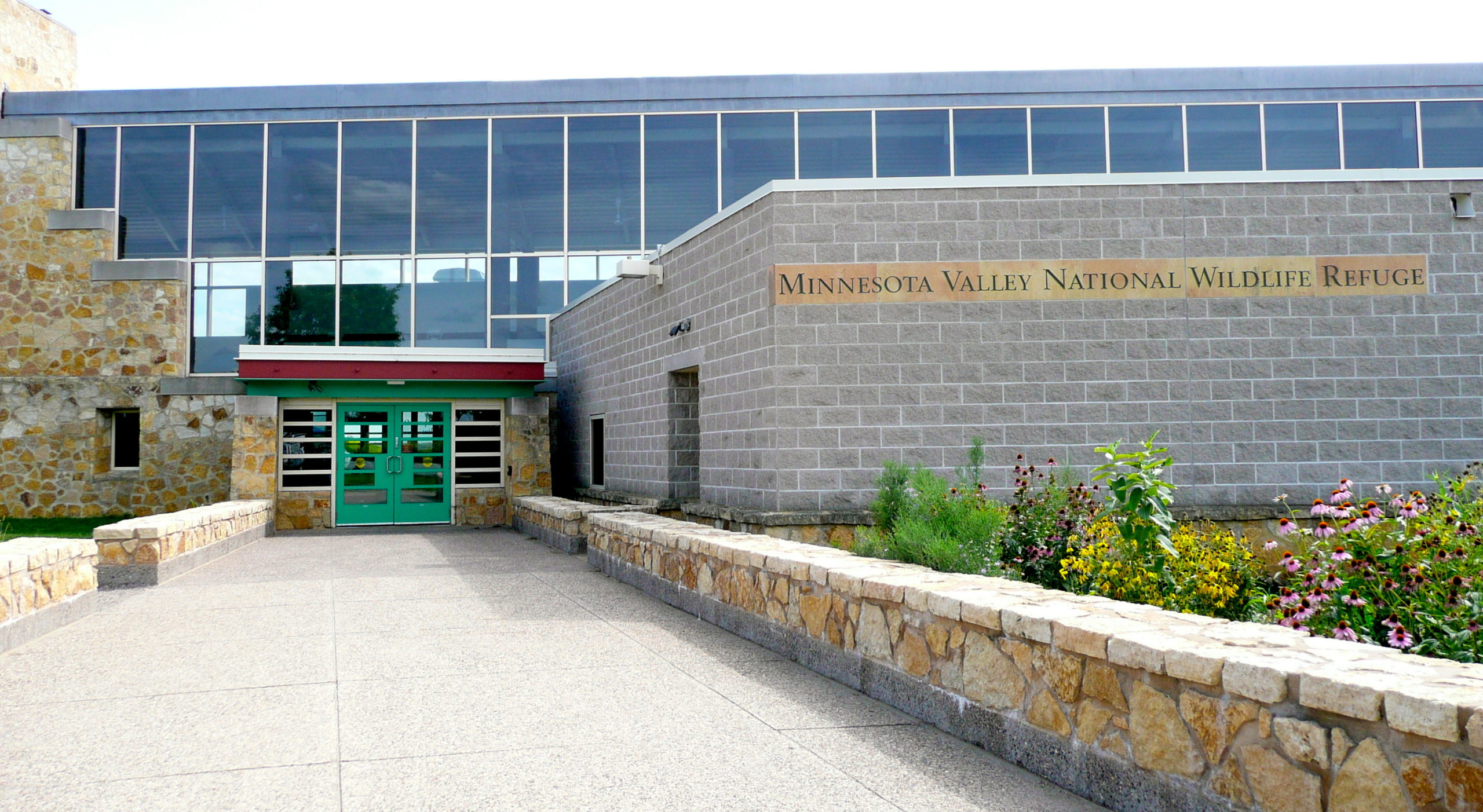
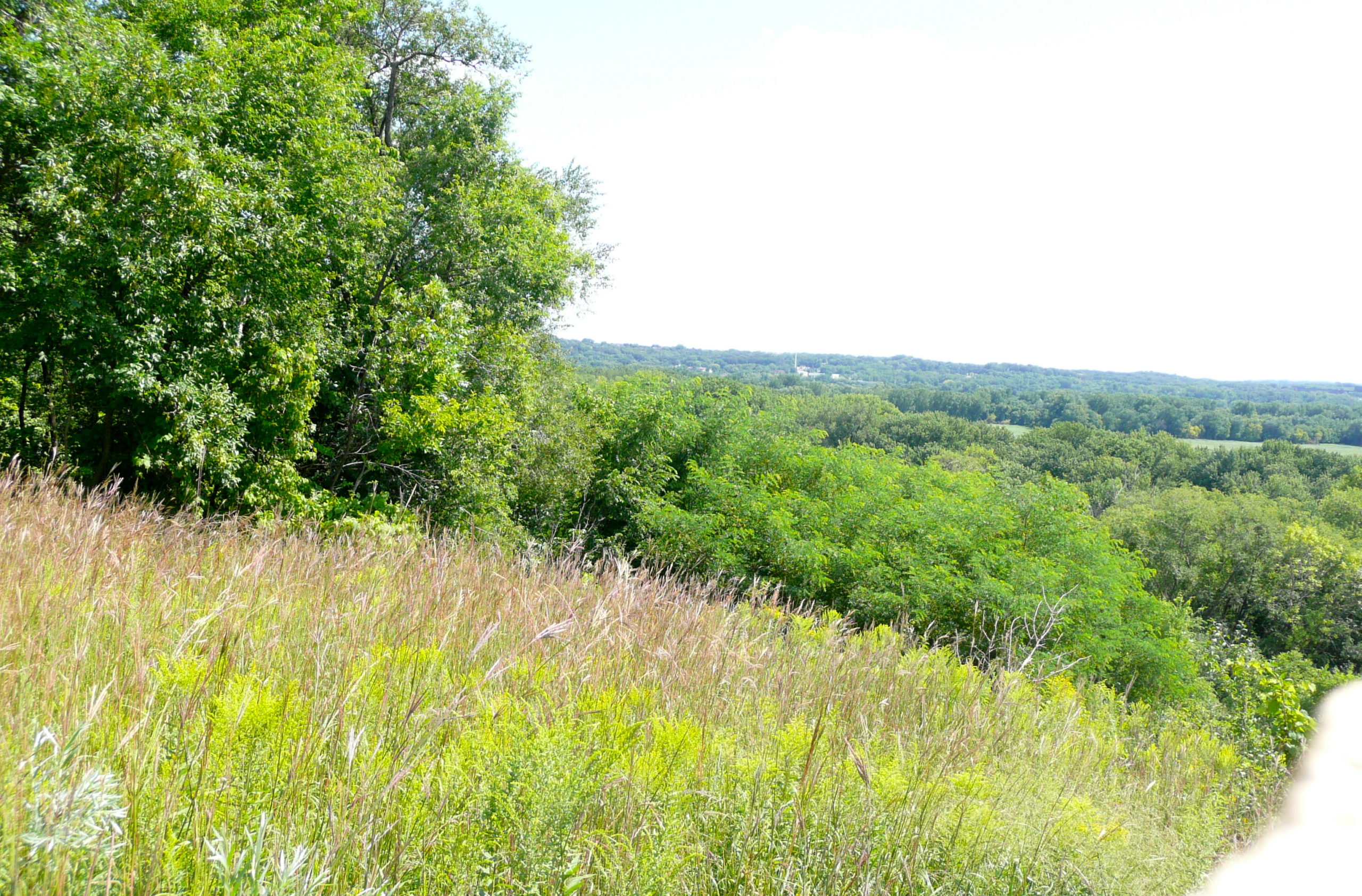
This afternoon we went for a walk at the Minnesota Valley National Wildlife Refuge. It is located in Bloomington and there is no charge for admission. The visitor center was open and there are lots of brochures to choose from. In addition, they have Field Packs that follow the numbers along the trail. The packs are free and include binoculars and an audio trail guide.
Minnesota Valley National Wildlife RefugeView from the Minnesota Valley National Wildlife Refuge
The bees were having a good time on this bush.
Bees on Bush
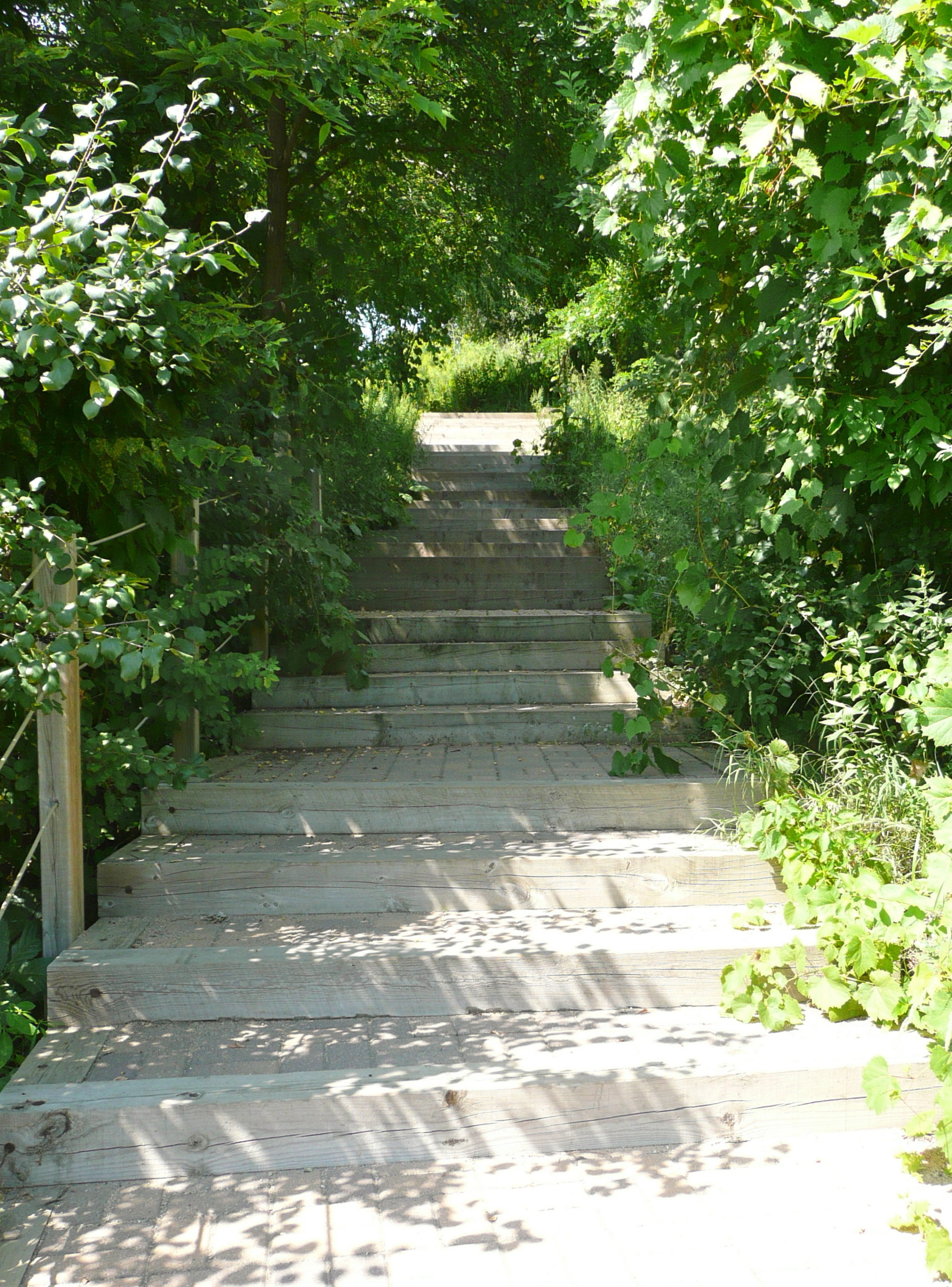
We went on the Hillside Trail that is considered “strenuous” and is a 1/2 mile loop down the side of the bluff. The trail starts with some nice steps heading downwards.
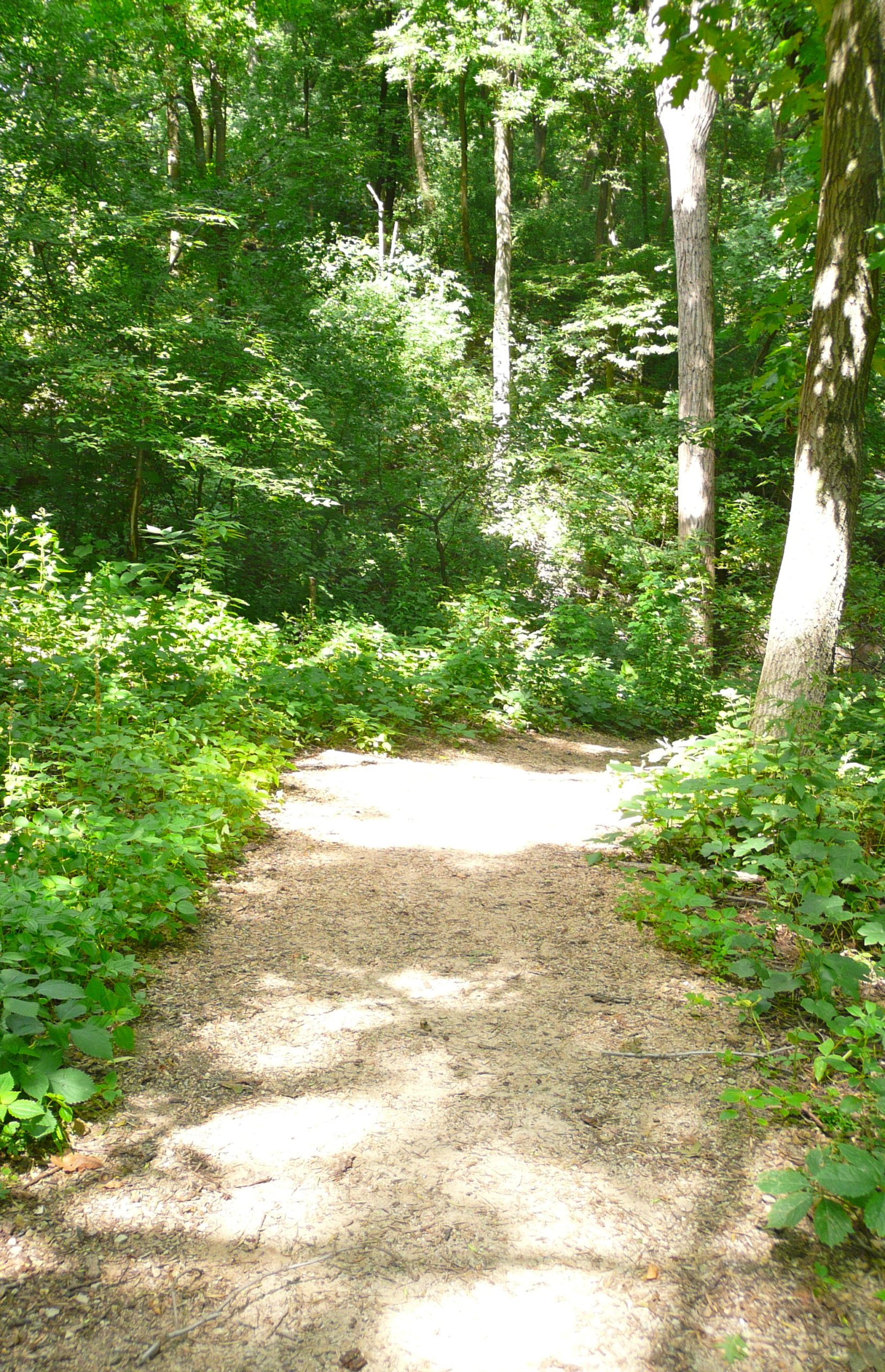
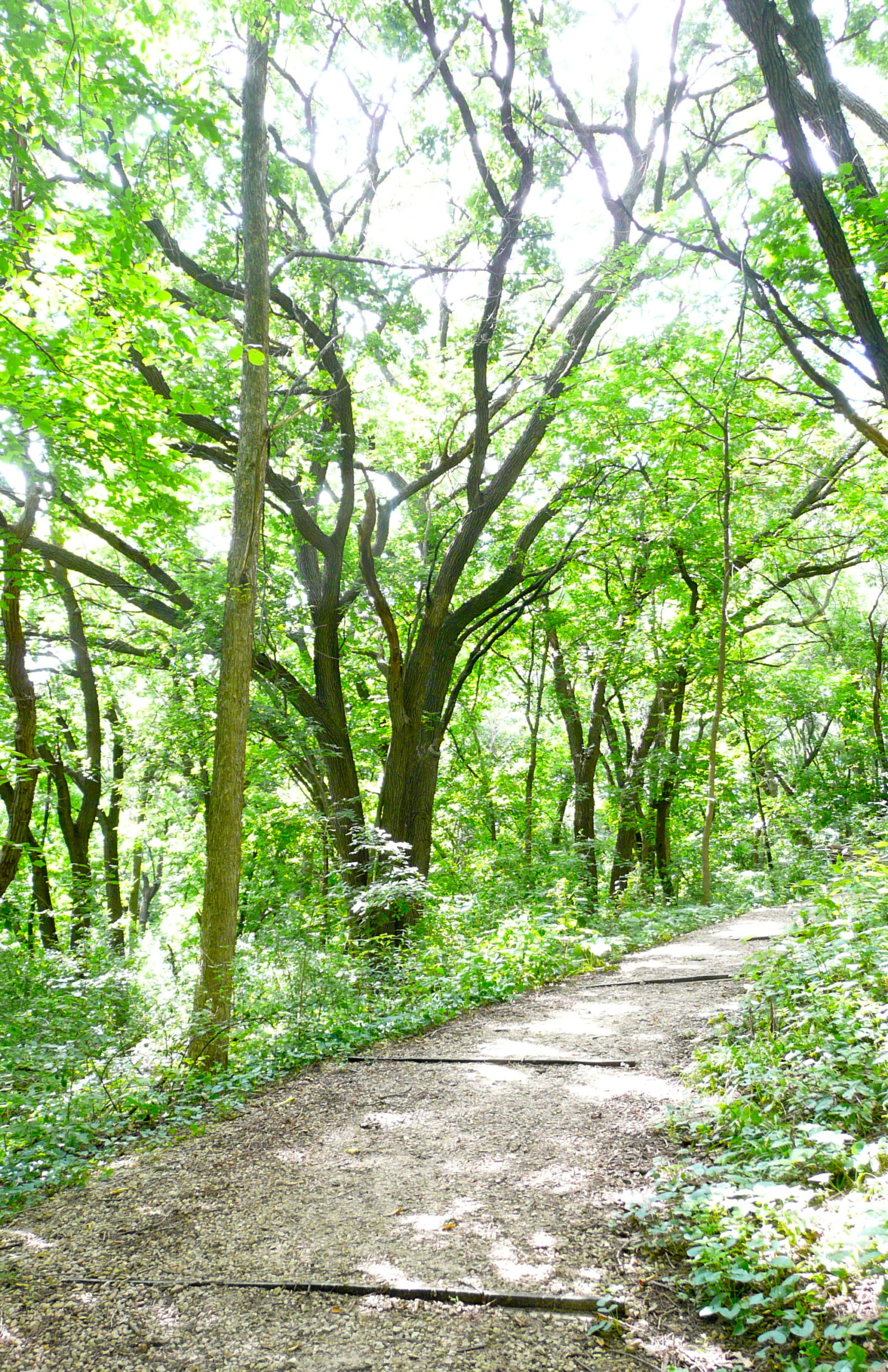
Then the trail became a smooth gravel.
Hillside Trail
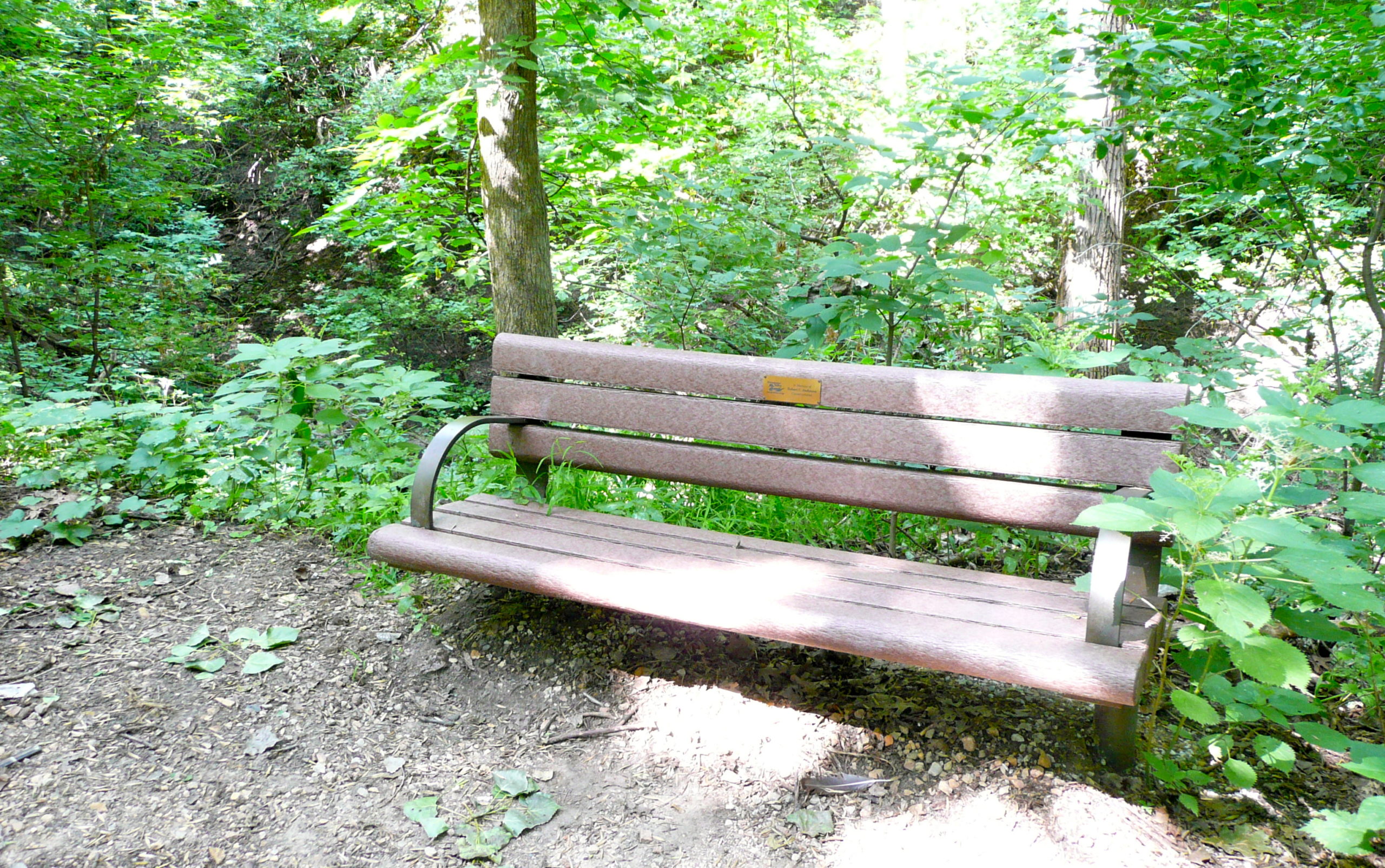
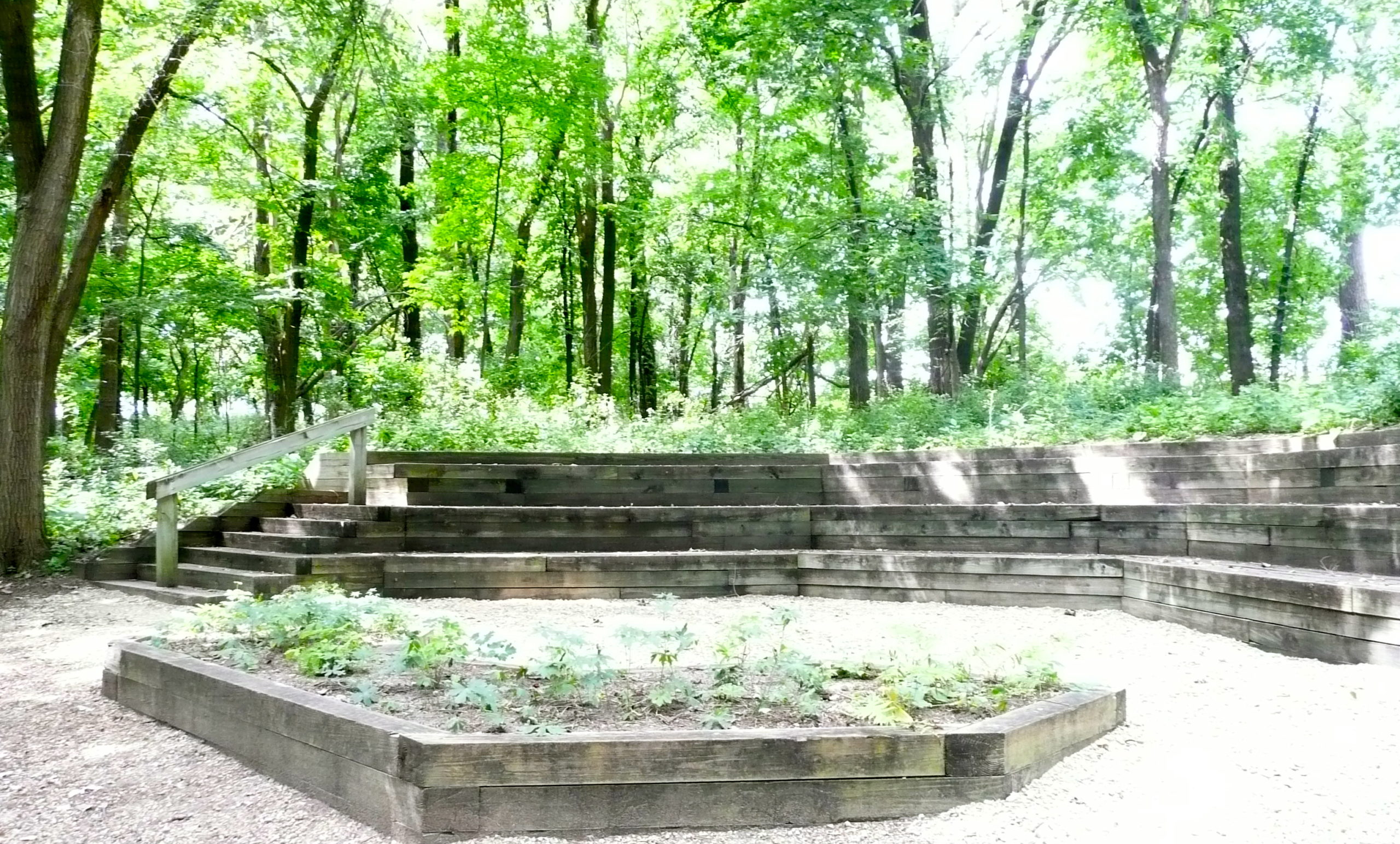
Just a little ways down the road, a bench awaits those who need to take an early respite.
Bench
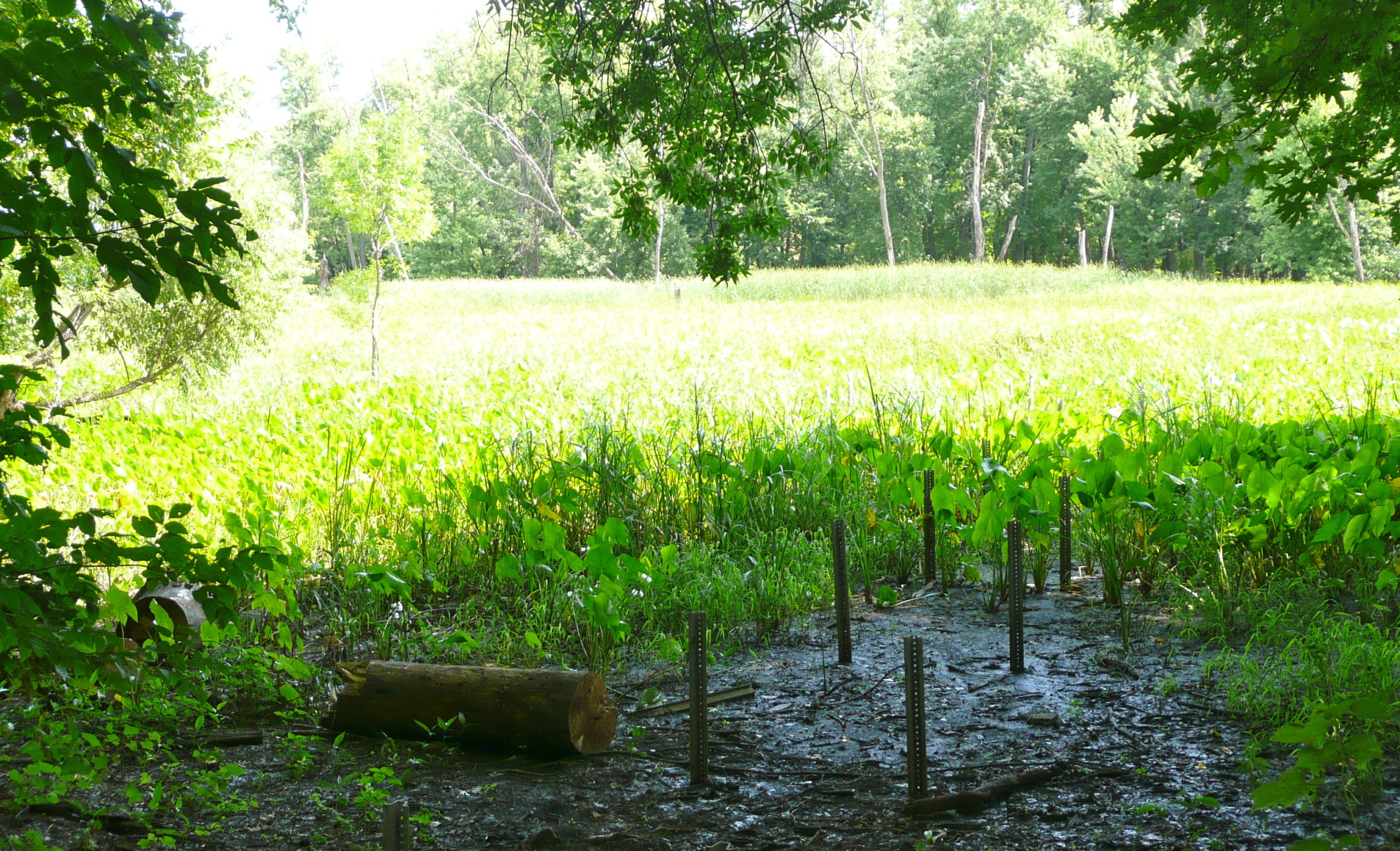
Further down the road, the area was a little swampy. Luckily we didn’t have to walk in that direction.
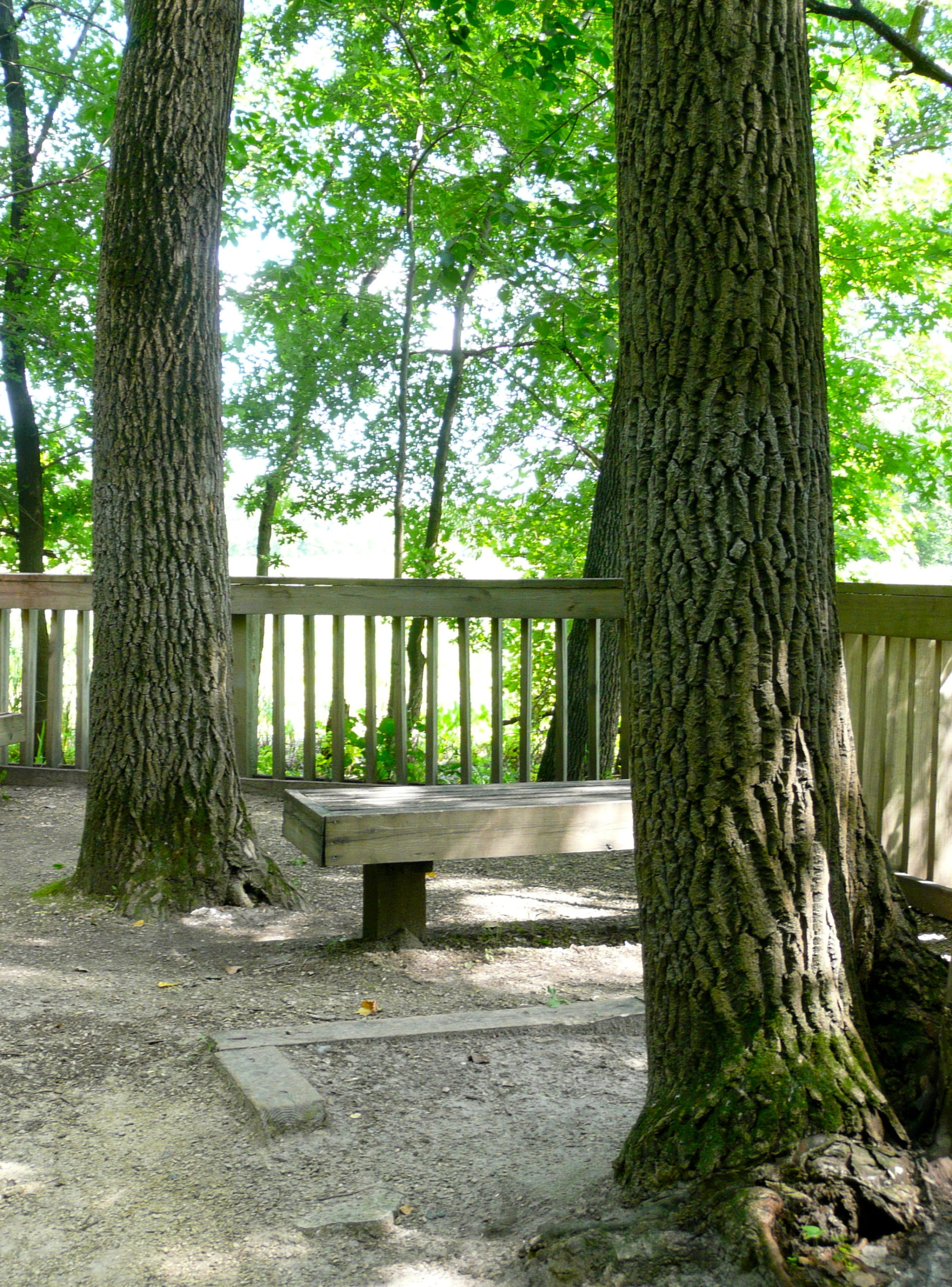
A viewing area was just ahead. The walk downhill was not very strenuous at all but good walking shoes are a must.
Hillside Trail
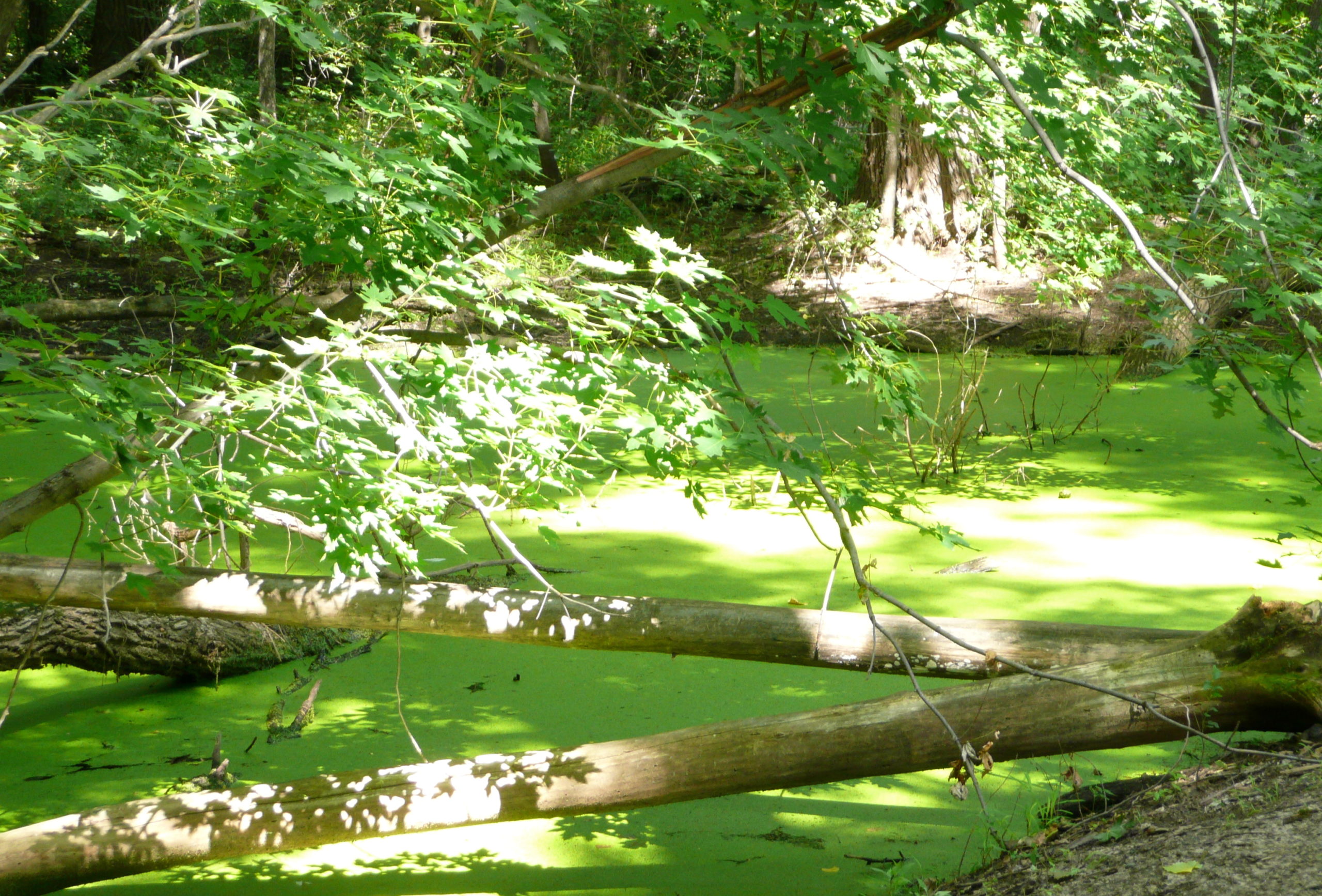
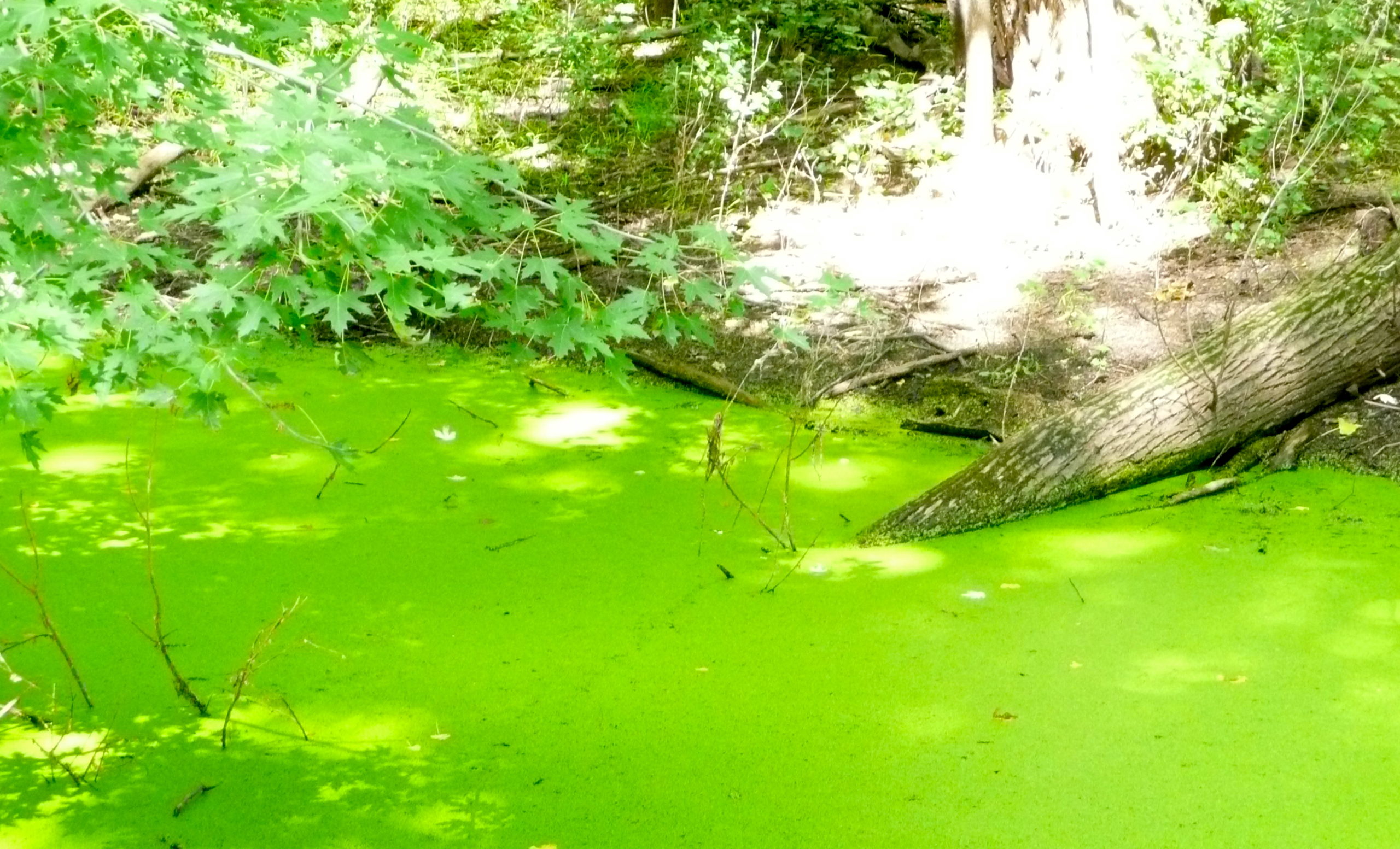
This area was very pretty. To the left was a pond that looked like it was filled with algae. One could almost inhale the green color.
Hillside Trail
And now to make the return trip to the visitor center. If one takes their time walking uphill, the trail is really not that bad — although, it is the equivalent of climbing 12 stories.
Hillside Trail
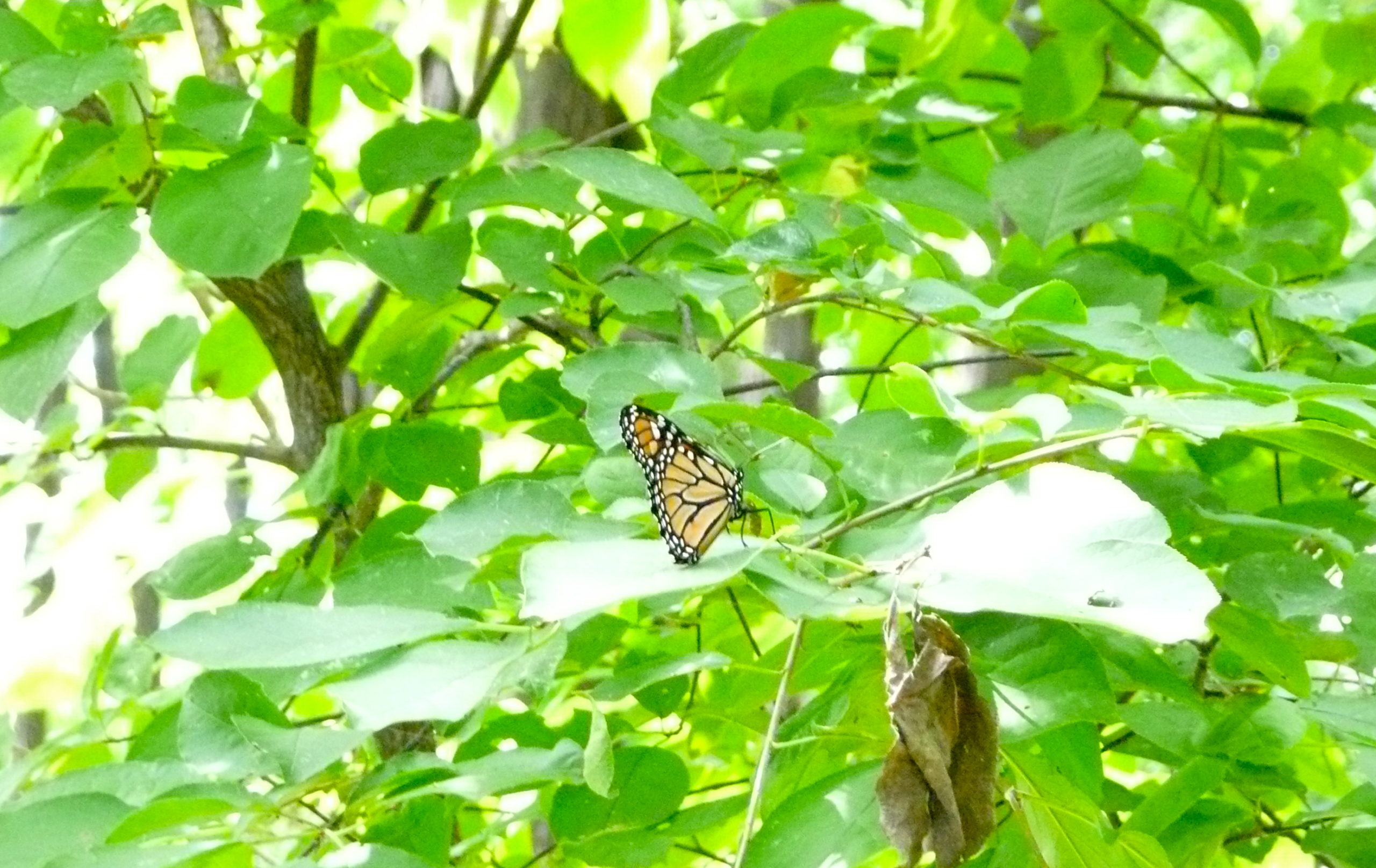
On the return walk, we had the pleasure of seeing a monarch butterfly.
Monarch Butterfly
And some coneflowers – echinacea?
Coneflower – echinacea
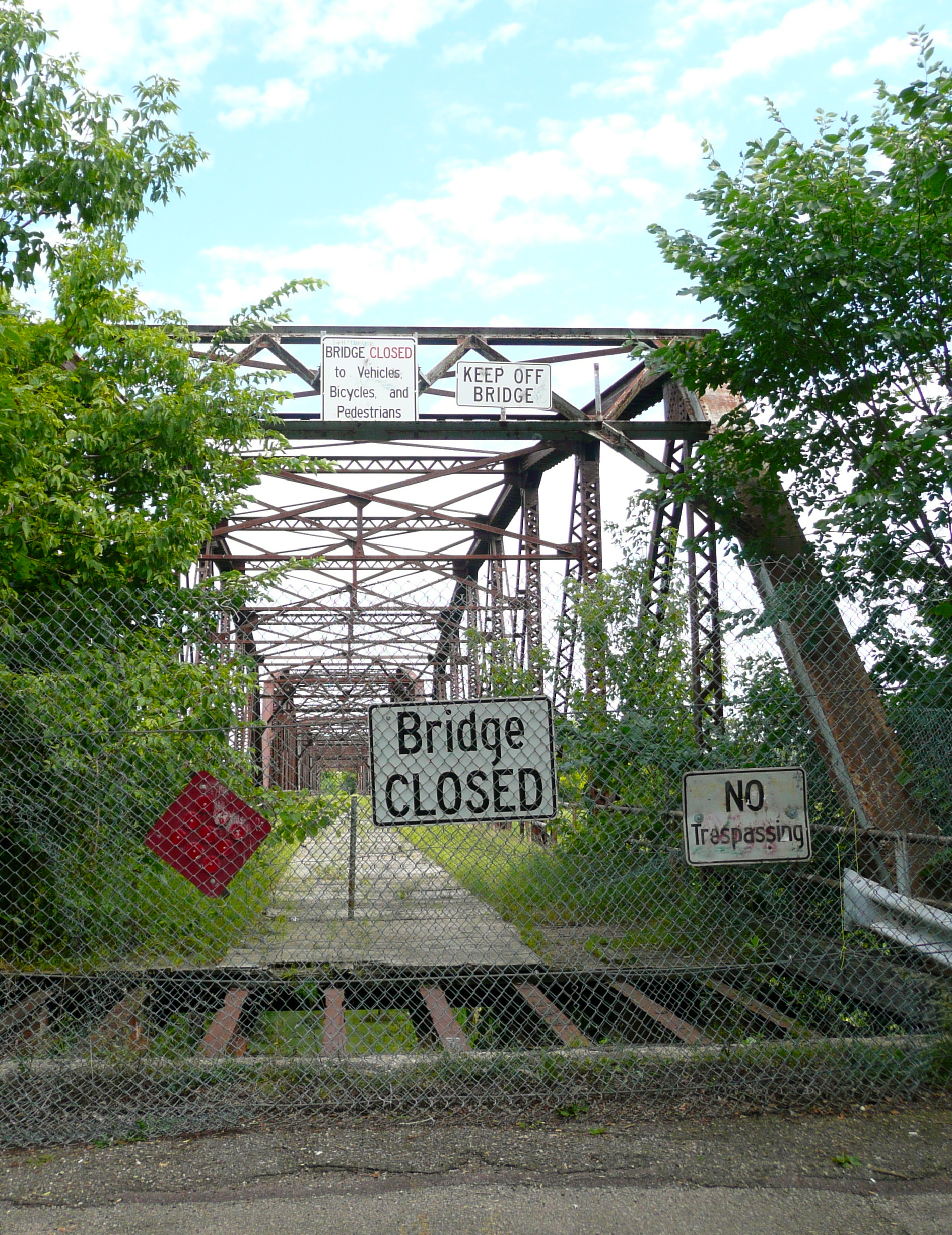
Driving to a different part of the refuge, we came across an old bridge that we could not cross.
Dilapidated bridge
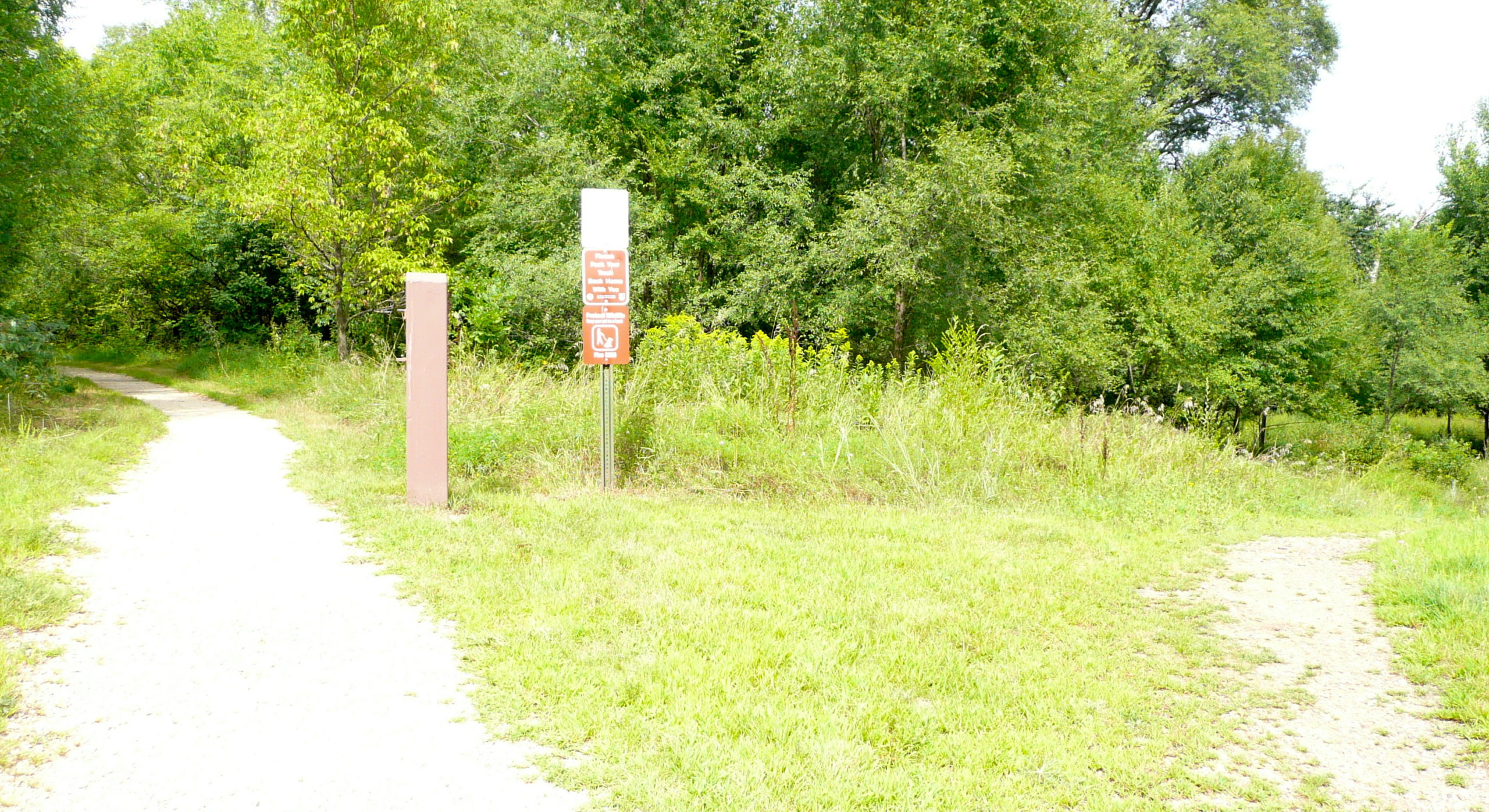
This next trail went all the way back to the visitor center — over 40 minutes away. At first we decided not to take it but then we saw the small trail to the left and thought that it might be less of a walk.
Which trail to take?
We took the very narrow trail being careful not to go into the grassy area to avoid any ticks or other bugs — the bug repellant was in the car but we didn’t think we’d need it.
Very narrow trail
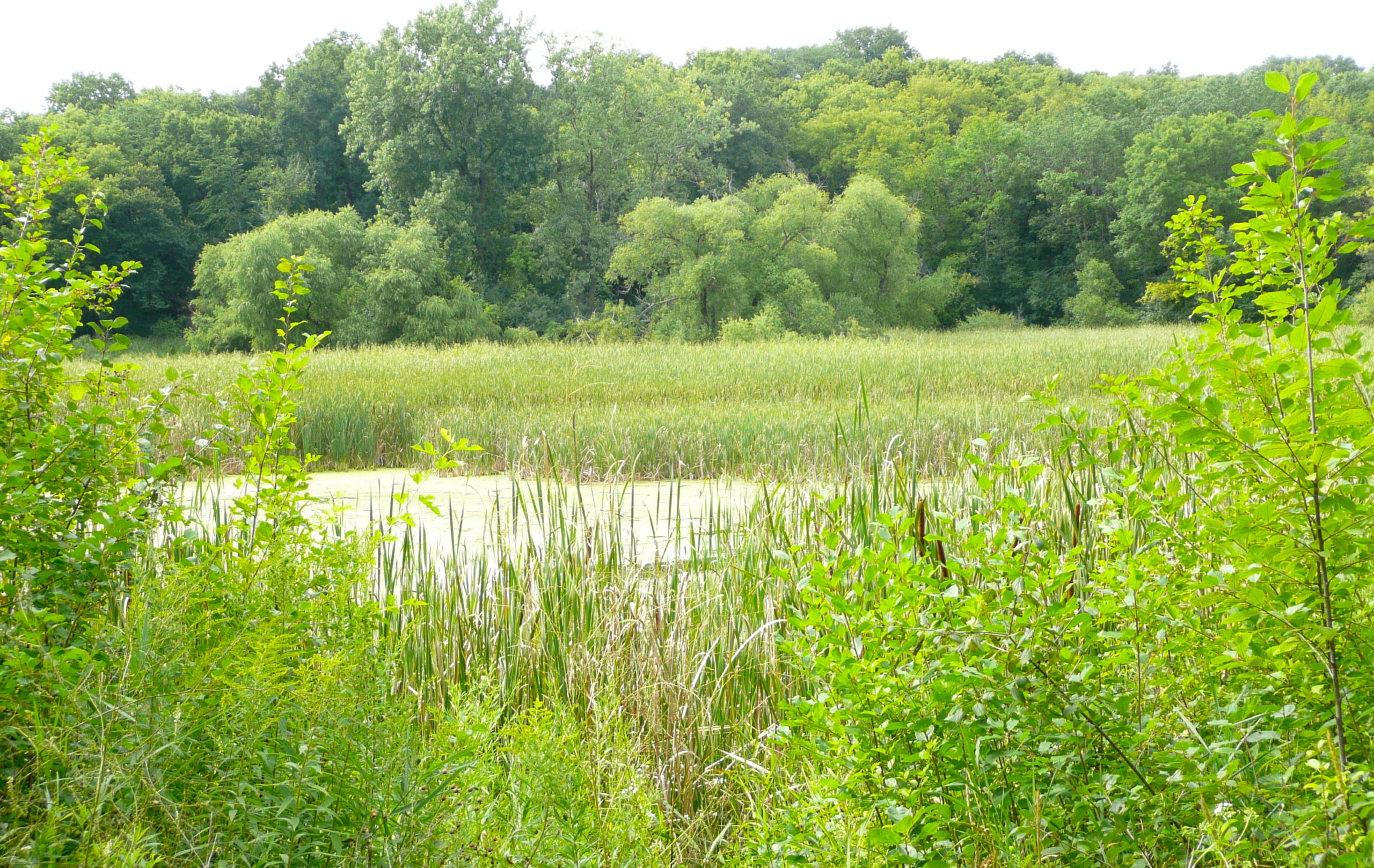
Another murky looking pond …
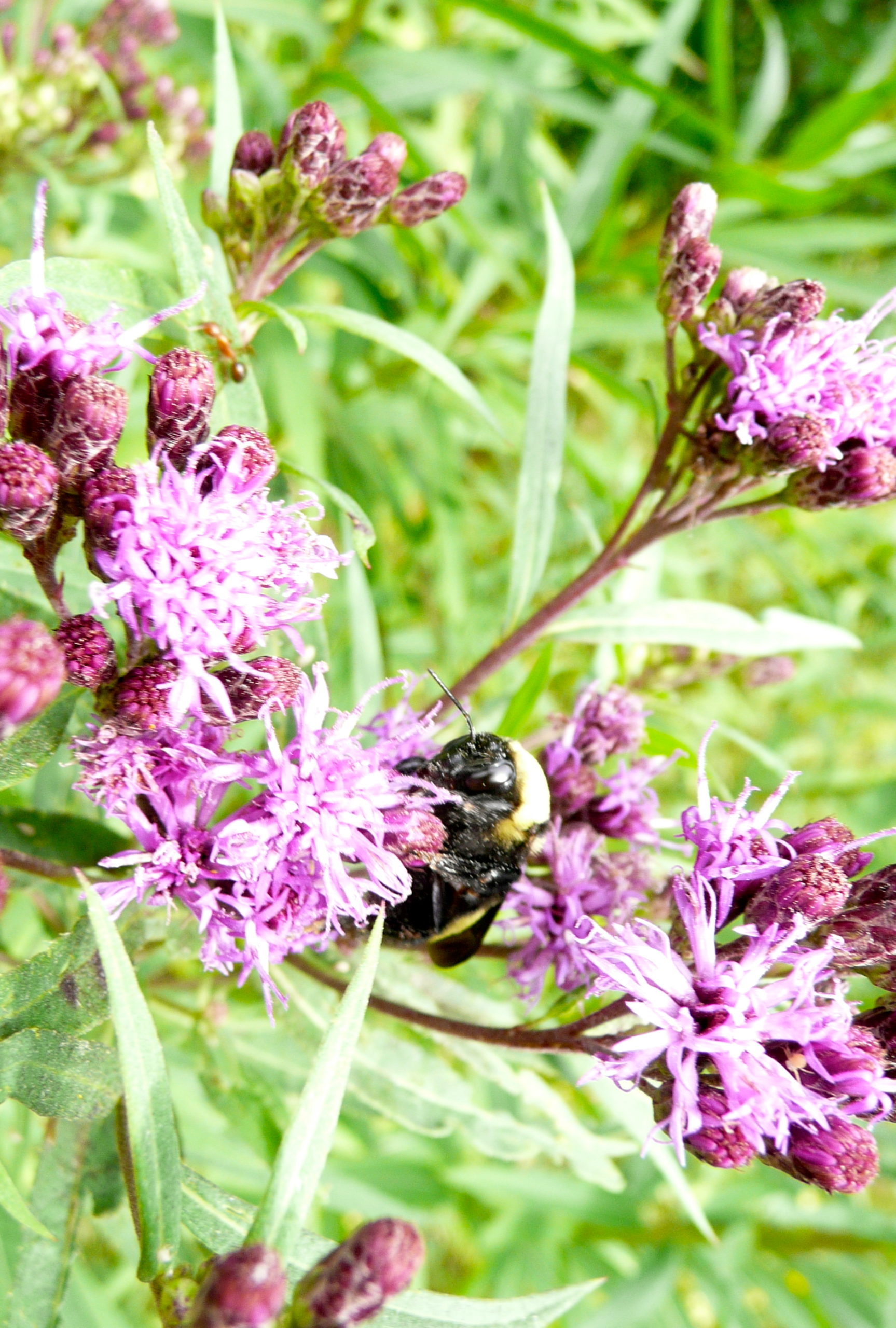
The highlight of this trip was a bush that had a large bumblebee on it — notice the ant in the background also.
Bumblebee, SimplyNorma.com
Overall, a pretty day, a nice walk and only one mosquito bite.
I had never heard the word used until I read a New York Times article on a Buddhist monk who did just that — killed himself with fire.
The article made me sad. Do people really believe that setting themselves on fire for a cause they believe in will bring change in government? Sacrificing oneself for a cause is admirable — but to the point of death? Perhaps the monk believed that his sacrifice would inspire other people to stand up in protest.
Immolation is different from martyrdom – with immolation a person kills himself, in martyrdom a person is put to death or endures great suffering on behalf of a belief or principle. And yet, a person who immolates oneself has suffered — they just bring about their own demise in the end.
It makes me think of Christ who “laid down his life” for us so that we might live. The cross stands as a stark contrast between those who endure to the point of death and those who can’t endure anymore and cause their own death.
My sympathy to the family, friends and the community of the monks (this is the 2nd one). I know there’s always more to the story than what meets the eye.
A well-known preacher, Doug Batchelor, has a couple of mini-videos on hell-fire. They are very short in length and after the 2nd one, one has the opportunity to go to a website to learn more. I thought it was rather interesting so thought I’d share it. The first video asks a very legitimate question “Would God do this?”

 [/amazon_link]





 [/amazon_link]



 [/amazon_link]


 [/amazon_link]
 [/amazon_link]

 [/amazon_link]